Disrupted Physician 101.2: “Addiction Medicine” is a Self-Designated Practice Specialty Unrecognized by the American Board of Medical Specialties–(An AMA Census Term Indicating Neither Training nor Competence)

“Spirituality can go hand-in-hand with ruthless single-mindedness when the individual is convinced his cause is just”

Michela Wrong, In the Footsteps of Mr. Kurtz: Living on the Brink of Disaster in Mobutu’s Congo

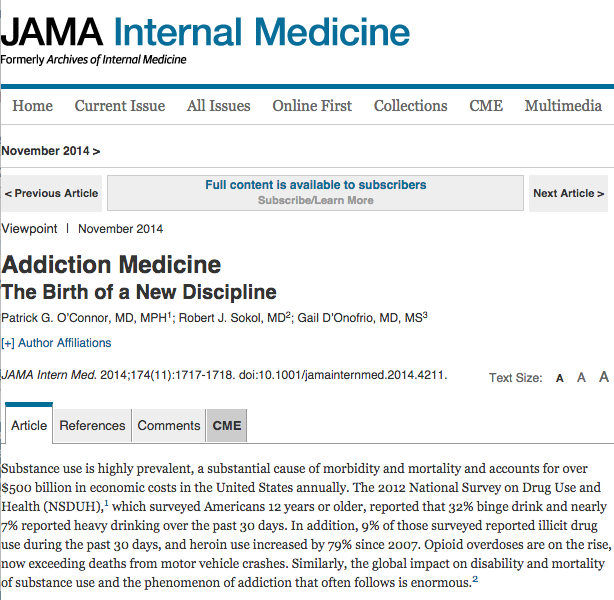
Addiction Medicine: The Birth of a New Discipline

Addiction Medicine is currently not recognized by the American Board of Medical Specialties (ABMS).  It is still a a Self-Designated Practice Specialty and the American Board of Addiction Medicine is a Self-Designated Board.  So too is the American Academy of Ringside Medicine and Surgery, the American Academy of Bloodless Medicine and Surgery and the Council of Non-Board Certified Physicians.  But these Self-Designated Boards do not have the multi-billion dollar drug and alcohol testing and treatment industry supporting them. Addiction Medicine has deep pockets, and if the November 2014 issue of the Journal of the American Medical Association (JAMA) is a harbinger of what’s to come, this self-designated practice specialty currently being certified by a self-designated Board and bereft of anything resembling the educational and professional standards for quality practice in a particular medical specialty or subspecialty as defined by the ABMS, the American Council on Graduate Medical Education (ACGME) and the Institute of Medicine (IOM) may soon robber baron its way into acceptance by the Medical Profession.

One thing is for certain.  When society gives power of diagnosis and treatment to individuals within a group schooled in just one uncompromising model of addiction with the majority attributing their very own sobriety to that model, they will exercise that power to diagnose and treat anyone and everyone according to that model.  The birth of Addiction Medicine as an ABMS accepted discipline is sure to be a success for the drug and alcohol testing and 12-step treatment industry, but its spawn is sure to be an inauspicious mark on the Profession and Guild of Medicine and a bane of society for years to come.

cropped-jester

via Disrupted Physician 101.2: “Addiction Medicine” is a Self-Designated Practice Specialty Unrecognized by the American Board of Medical Specialties–(An AMA Census Term Indicating Neither Training nor Competence).


Go back

Your message has been sent

Warning
Warning
Warning
Warning

Warning.

Disrupted Physician 101.2: “Addiction Medicine” is a Self-Designated Practice Specialty Unrecognized by the American Board of Medical Specialties–(An AMA Census Term Indicating Neither Training nor Competence)

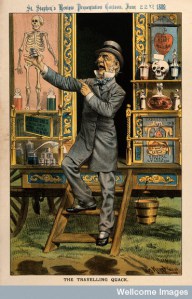
V0011377 A quack doctor selling remedies from his caravan; satirizingEducational and Professional Standards in Medical Specialties and Subspecialties

The increasingly rapid growth and complexity of medical knowledge in twentieth century American medicine resulted in the creation of specialties and subspecialties.

A related development was the creation of “boards”  to “certify” physicians as  knowledgeable and competent in the specialties and subspecialties in which they claimed to have expertise.   The American Board of Ophthalmology, organized in 1917, was the first of these.

As the number of medical specialties proliferated an umbrella organization was formed to accomplish this task. The Advisory Board for Medical Specialties was created  in 1933 and reorganized as the American Board of Medical Specialties (ABMS) in 1970.  This non-profit organization oversees board certification of all physician specialists and sub-specialists in the United States.

The ABMS recognizes 24 medical specialties in which physicians can pursue additional training and education to pursue Board Certification.Screen Shot 2014-11-07 at 7.44.56 PM

In 1991 the American Board of Medical Genetics was approved as the 24th ABMS board and these 24 boards grant the  37 general certificates and 88 subspecialty certificates available to medical specialists today.

The ABMS Member Boards are responsible for developing and implementing the educational and professional standards for quality practice in a particular medical specialty or subspecialty and evaluate physician candidates for Board Certification.  They set the bar of knowledge and competence for their given area of expertise.

All of the ABMS Member Boards are:

“committed to the principle of examining doctors based on six general competencies designed to encompass quality care: patient care, medical knowledge, practice-based learning and improvement, interpersonal and communication skills, professionalism, and systems-based practice.”

These areas have been collectively identified by the ABMS, the American College of Graduate Medical Education (ACGME) and the Institute of Medicine (IOM) in order to standardize graduate medical education in any specialty  from medical school graduation through retirement.1

One of the  24 medical specialties ABMS recognizes in which physicians can pursue additional training and education and pursue Board Certification is Psychiatry.

Founded in 1934, The American Board of Psychiatry and Neurology (ABPN) is one of the 24 ABMS specialty boards. In 1959, the ABPN issued its first subspecialty certificate in Child and Adolescent Psychiatry and was the only ABNP subspecialty until 1991 when the first examination in Geriatric Psychiatry was administered.4 Addiction Psychiatry became a subspecialty of ABPN in 1993.

The ABPN governs the specialty of Psychiatry, of which Addiction Psychiatry is a subspecialty.   Board Certification in Addiction Psychiatry requires a four-year psychiatric-residency program for training in the prevention, diagnosis and treatment of mood, anxiety, substance-abuse as well as other psychological and interpersonal problems followed by an additional year of training in one of the 40 accredited Addiction Psychiatry Fellowship programs. The Accreditation Council for Graduate Medical Education (ACGME) is the professional organization responsible for the accreditation residency education programs in the US for ABMS specialty and subspecialty areas of medicine. Addiction Psychiatry training programs are governed by the ACGME and graduates are eligible for ABPN Certification in Addiction Psychiatry.

When this rigorous education and training is complete a candidate is Board Eligible and can then take the subspecialty certification exam. The exam assesses competency in the dand consultation, pharmacotherapy, pharmacology of drugs, psychosocial treatment and behavioral basis of practice to be Board Certified in the subspecialty of Addiction Psychiatry by the ABPN.

Candidates must then be assessed in  a number of areas including psychiatric evaluation and consultation, pharmacotherapy, pharmacology, toxicology, psychosocial treatment, behavioral basis of practice, and many other areas in which for the past half-decade they where taught and apprenticed.

The current structure of residency training is little changed from when it was conceived originally by William Stewart Halsted in the late 19th Century.  Physicians acquire knowledge and skills necessary to safely and competently manage patients through apprenticeship. Training in a specialty area provides a comprehensive platform that allows medical school graduates to apply a body of knowledge to patient care and the treatment of disease. This forms the foundation of our Guild–undifferentiated and general but pluripotential.

The American Academy of Addiction Psychiatry (AAAP) is the only professional organization in the US focused on the subspecialty of Addiction Psychiatry.   The AAAP Mission Statements are to: 2

  • Promote high quality evidence-based screening, assessment and treatment for substance use and co-occurring mental disorders.
  • Translate and disseminate evidence-based research to clinical practice and public policy.
  • Strengthen Addiction Psychiatry specialty training and foster careers in Addiction Psychiatry.
  • Provide evidence-based addiction education to health care trainees and health professionals to enhance patient care and promote recovery.
  • Educate the public and influence public policy for the safe and humane treatment of those with substance use disorders.
  • Promote prevention and enhance addiction treatment and recovery across the life span.
  • Promote research on the etiology, prevention, identification and treatment of substance use and related disorders.

Self-Designated Practice Specialty :  An AMA Census Term Indicating What a Group of Doctors are Calling Themselves.

Screen Shot 2014-03-18 at 5.22.16 PMThe American Medical Association records a physician’s Self-Designated Practice Specialty (SDPS) in response to an annual credentialing survey. According to the AMA, SDPS are “historically related to the record-keeping needs of the American Medical Association and do not imply ‘recognition’ or ‘endorsement’ of any field of medical practice by the Association. SDPS refers to a self-designated specialty and this is not equivalent nor does it imply ABMS [American Board of Medical Specialties] Board Certification.a_meissen_group_of_harlequin_and_the_quack_doctor_circa_1741_faint_blu_d5585085_001h

“The fact that a physician chooses to designate a given specialty/area of practice on our records does not necessarily mean that the physician has been trained or has special competence to practice the SDPS.”3

Physicians have been able to list addiction medicine as a self-designated area of practice using the specialty code “ADM” since 1990.Screen Shot 2014-11-07 at 7.45.43 PM

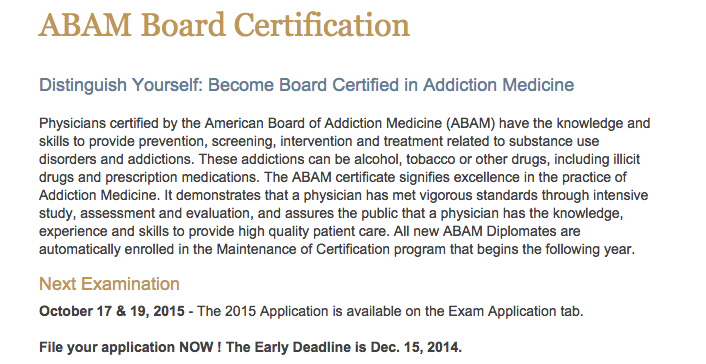
In contrast to these accepted board credentials, American Board of Addiction Medicine (ABAM)  certification requires only a medical degree, a valid license to practice medicine, completion of a residency training in ANY specialty, and one year‘s full time involvement plus 50 additional hours of medical education in the field of alcoholism and other drug dependencies. The majority of American Society of Addiction Medicine (ASAM) physicians meet these requirements by “working in a chemical dependency treatment facility, taking continuing medical education courses in addiction, or participating in research.”6

The American Society of Addiction Medicine’s mission is to “establishScreen Shot 2014-11-07 at 7.47.55 PM addiction medicine as a specialty recognized by professional organizations, governments,, physicians, purchasers, and consumers of health care products, and the general public.’5   They have succeeded in doing this as many consider them to be the experts in addiction medicine including regulatory agencies.

The goal of the American Board of Addiction Medicine (ABAM) Foundation is to “gain recognition of Addiction Medicine as a medical specialty by the American Board of Medical Specialties (ABMS).”

But Addiction Medicine is currently not recognized by the ABMS.  It is still a a Self-Designated Practice Specialty and the ABAM is a Self-Designated Board.  So too is the American Academy of Ringside Medicine and Surgery, the American Academy of Bloodless Medicine and Surgery and the Council of Non-Board Certified Physicians.   But these Self-Designated Boards do not have the multi-billion dollar drug and alcohol testing and treatment industry supporting them. Addiction Medicine has deep pockets, and if the November 2014 issue of the Journal of the American Medical Association (JAMA) is a harbinger of what’s to come, this self-designated practice specialty currently being certified by a self-designated Board and bereft of anything resembling the the educational and professional standards for quality practice in a particular medical specialty or subspecialty may soon robber baron its way into acceptance by the American Board of Medical Specialties.

Screen Shot 2014-11-23 at 11.15.15 PM

One thing is for certain.  When society gives power of diagnosis and treatment to individuals within a group schooled in just one uncompromising model of addiction with the majority attributing their very own sobriety to that model, they will exercise that power to diagnose and treat anyone and everyone according to that model.  The birth of Addiction Medicine as an ABMS accepted discipline is sure to be a success for the drug and alcohol testing and 12-step treatment industry, but its spawn is sure to be an inauspicious mark on the Profession and Guild of Medicine and a bane of society for years to come.

cropped-jester

  1. Stevens RA. In: Stevens R, Rosenberg C, Burns L, eds. History and Health Policy in the United States: Putting the Past Back in: Rutgers University Press; 2006:49-83.
  2. American Association of Addiction Psychiatry Website http://www.aaap.org/about-aaap/mission-statement (accessed 4/2/2014).
  3. American Medical Association. List & Definitions of Self-Designated Practice Specialties. August 21, 2012 http://www.ama-assn.org/ama.
  4. Juul D, Scheiber SC, Kramer TA. Subspecialty certification by the American Board of Psychiatry and Neurology. Academic psychiatry : the journal of the American Association of Directors of Psychiatric Residency Training and the Association for Academic Psychiatry. Spring 2004;28(1):12-17.
  5. http://www.asam.org/about-us/mission-and-goals.
  6. Tontchev GV, Housel TR, Callahan JF, Kunz KB, Miller MM, Blondell RD. Specialized training on addictions for physicians in the United States. Substance abuse : official publication of the Association for Medical Education and Research in Substance Abuse. Apr 2011;32(2):84-92.

Physician Suicide, the “Impaired Physician Movement” and ASAM: The Dead Doctors at Ridgeview Institute under G. Douglas Talbott

cropped-hanging_witch_01.jpg

Gentlemen, it is a disagreeable custom to which one is too easily led by the harshness of the discussions, to assume evil intentions. It is necessary to be gracious as to intentions; one should believe them good, and apparently they are; but we do not have to be gracious at all to inconsistent logic or to absurd reasoning. Bad logicians have committed more involuntary crimes than bad men have done intentionally.”–Pierre S. du Pont (September 25, 1790)

“It is easier to believe a lie one has heard a hundred times than a truth one has never heard before.” –Robert S. Lynd


Ridgeview Institute was a drug and alcohol treatment program for “impaired physicians” in Georgia created by G. Douglas Talbott, a former cardiologist who lost control of his drinking and recovered through the 12-steps of Alcoholics Anonymous.

Up until his death on October 18, 2014 at the age of 90, Talbott  owned and directed a number of treatment facilities for impaired professionals, most recently the Talbott Recovery Campus in Atlanta, one of the preferred referrals for physicians ordered into evaluation and treatment by licensing boards today.

G. Douglas Talbott is a prototypical example of an “impaired physician movement” physician–in fact in many ways he may be considered the”godfather” of the current organization.  He helped organize and serve as past president of the American Society of Addiction Medicine (ASAM) and was a formative figure in the American Medical Association’s (AMA’s) Impaired Physician Program.
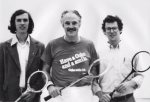
Screen-shot-2014-10-20-at-11.00.23-PM-1024x701

G. Douglas Talbott (center), with sons Mark (left) and Dave (right). (image: Ham Biggar)

The cost of a 28-day program for nonprofessionals at Ridgeview in 1987 was $10,000 while the cost was “higher for those going through impaired-health professionals program,” which lasted months rather than 28 days.1

In 1975 after creating the DeKalb County Impaired Physicians Committee for the Medical Association of Georgia, Talbott founded the Georgia Disabled Doctors Program for the assessment and treatment of physicians. Founded in part because “traditional one-month treatment programs are inadequate for disabled doctors,” and they required longer treatment to recover from addiction and substance abuse.   According to Talbott, rehabilitation programs that evaluate and treat the rest of the population for substance abuse issues are incapable of doing so in doctors as they are unlike any other of the inhabitants of our society. Physicians are unique. Unique because of their incredibly high denial”, and he includes this in what he calls the “Four MDs,” “M-Deity”, “Massive Denial” “Militant Defensiveness” and “More Drugs.”2   And these factors set doctors apart from the rest.

According to Talbott, “impaired doctors must first acknowledge their addiction and overcome their ‘terminal uniqueness’ before they can deal with a drug or alcohol problem.” “Terminal uniqueness “ is a phrase Talbott uses to describe doctors’ tendency to think they can heal themselves.

“M-Deity” refers to doctors “being trained to think they’re God;”3 blinded by an overblown sense of self-importance and thinking that they are invincible-an unfounded generalization considering the vast diversity of individuals that make up our profession.   Although this type of personality does exist in medicine,  it is a small minority -just one of many opinions with little probative value offered as factual expertise by the impaired physician movement and now sealed in stone.
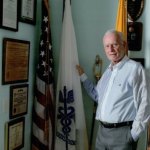
Former Assistant Surgeon General (Ret) Admiral (Ret) John C. Duffy

Former Assistant Surgeon General (Ret) Admiral (Ret) John C. Duffy

This attitude, according to some critics, stems from the personal histories of the treatment staff, including Talbott, who are recovering alcoholics and addicts themselves. One such critic was Assistant Surgeon General under C. Everett Koop John C. Duffy who said that Ridgeview suffered from a “boot-camp mentality” toward physicians under their care and “assume every physician suffering from substance abuse is the same lying, stealing, cheating, manipulating individual they were when they had the illness. Certainly some physicians are manipulative, but it’s naïve to label all physicians with these problems.”1

001p3_xlg.preview

LeClair Bissell

American Society of Addiction Medicine (ASAM) President (1981-1983) LeClair Bissell was also highly critical of Talbott’s approach. Bissell, co-author of the first textbook of ethics for addiction professionals4 when asked if there was any justification to the claim that doctors are sicker than other people and more vulnerable to addiction replied:

“Well, based on my treatment experience, I think they are less sick and much easier to treat than many other groups. I think one reason for that is that in order to become a physician…one has to have jumped over a great many hurdles. One must pass the exams, survive the screening tests and the interviews, be able to organize oneself well enough to do examinations and so on, and be observed by a good many colleagues along the way. Therefore I think the more grossly psychotic, or sicker, are frequently screened out along the way. The ones we get in treatment are usually people who are less brain-damaged, are still quite capable of learning, are reasonably bright. Not only that, but they are quite well motivated in most cases to hang on to their licenses, the threat of the loss of which is frequently what puts them in treatment in the first place. So are they hard to treat? No! Are they easy patients? Yes! Are they more likely to be addicted than other groups? We don’t know.”5

“I’m not much for the bullying that goes along with some of these programs,” Bissell commented to the Atlanta Journal and Constitution in 1987.3

The constitution did a series of reports after five inpatients died by suicide during a four-year period at Ridgeview.6 In addition there were at least 20 more who had killed themselves over the preceding 12 years after leaving the treatment center.1

Bissell, the recipient of the 1997 Elizabeth Blackwell Award for outstanding contributions to the cause of women and medicine remarked: “When you’ve got them by the license, that’s pretty strong leverage. You shouldn’t have to pound on them so much. You could be asking for trouble.”3

According to Bissell: “There’s a lot of debate in the field over whether treatment imposed by threats is worthwhile…To a large degree a person has to seek the treatment on his own accord before it will work for him.”3

A jury awarded $1.3 million to the widow of one of the deceased physicians against Ridgeview,7 and other lawsuits initiated on behalf of suicides were settled out of court.6

The Constitution reported that doctors entered the program under threats of loss of licensure “even when they would prefer treatment that is cheaper and closer to home.” 8 The paper also noted that Ridgeview “enjoys unparalleled connections with many local and state medical societies that work with troubled doctors,” “licensing boards often seek recommendations from such groups in devising an approved treatment plan,” and those in charge are often “physicians who themselves have successfully completed Ridgeview’s program.”8

In 1997 William L. White interviewed Bissell whom he called “one of the pioneers in the treatment of impaired professionals.” The interview was not published until after her death in 2008 per her request.   Noting that her book Alcoholism in the Professions9 “remains one of the classics in the field”, White asked her when those in the field began to see physicians and other professionals as a special treatment population; to which she replied:

“When they started making money in alcoholism. As soon as insurance started covering treatment, suddenly you heard that residential treatment was necessary for almost everybody. And since alcoholic docs had tons of money compared to the rest of the public, they not only needed residential treatment, they needed residential treatment in a special treatment facility for many months as opposed to the shorter periods of time that other people needed.”10

Talbott claimed a “92.3 percent recovery rate according to information compiled from a five-year follow-up survey based on complete abstinence and other treatment.”11 A 1995 issue of The Federal Bulletin: The Journal of Medical Licensure and Discipline, published by the Federation of State Medical Boards, contains articles outlining impaired physician programs in 8 separate states. Although these articles were little more than descriptive puff-pieces written by the state PHP program directors and included no described study-design or methodology the Editor notes a success rate of about 90% in these programs and others like them 12 and concludes:

“cooperation and communication between the medical boards and the physician health programs must occur in an effort to protect the public while assisting impaired physicians in their recovery.” 12

No one bothered to examine the methodology to discern the validity of these claims and it is this acceptance of faith without objective assessment that has allowed the impaired physician movement through the ASAM and FSPH to advance their agenda;  confusing ideological opinions with professional knowledge.

“There is nothing special about a doctor’s alcoholism,” said Bissel

“These special facilities will tell you that they come up with really wonderful recovery rates. They do. And the reason they do is that any time you can grab a professional person by the license and compel him or her into treatment and force them to cooperate with that treatment and then monitor them for years, you’ll get good outcomes—in the high 80s or low 90s in recovery rates—no matter what else you do.”10
“The ones I think are really the best ones were not specialized. There were other well-known specialty clinics that claimed all the docs they treated got well, which is sheer rot. They harmed a great many people, keeping them for long, unnecessary treatments and seeing to it that they hit their financial bottom for sure: kids being yanked out of college, being forced to sell homes to pay for treatment, and otherwise being blackmailed on the grounds that your husband has a fatal disease. It’s ugly.”10

Stanton Peele’s “In the Belly of the American Society of Addiction Medicine Beast” describes the coercion, bullying, threats and indoctrination that are standard operating procedure in Talbott’s facilities.13  Uncooperative patients, “and this covers a range of sins of commission or omission including offering one’s opinion about one’s treatment,” are “threatened with expulsion and with not being certified-or advocated for with their Boards.”13

The cornerstone of treatment is 12-step spiritual recovery. All new patients are indoctrinated into A.A. and coerced to confess they are addicts or alcoholics. Failure to participate in A.A. and 12-step spirituality means expulsion from the program with the anticipated result being loss of one’s medical license.

In May 1999 Talbott stepped down as president of the American Society of Addiction Medicine (ASAM) as a jury awarded Dr. Leonard Masters a judgment of $1.3 million in actual damages and an undisclosed sum in punitive damages for fraud, malpractice, and the novel claim of false imprisonment.14

The fraud finding required a finding that errors in the diagnosis were intentional. Masters, who was accused of overprescribing narcotics to his patients was told by the director of the Florida PHP that he could either surrender his medical license until the allegations were disproved or submit to a four-day evaluation.

Masters agreed to the latter, thinking he would have an objective and fair evaluation. He was instead diagnosed as “alcohol dependent” and coerced into “treatment under threat of loss of his medical license. Staff would routinely threaten to report any doctor who questioned any aspect of their diagnosis or treatment to their state medical boards “as being an impaired physician, leaving necessary treatment against medical advice,”14  the equivalent of professional suicide.

Masters, however, was not an alcoholic.

According to his attorney, Eric. S. Block,  “No one ever accused him of having a problem with alcohol. Not his friends, not his wife, not his seven children, not his fellow doctors, not his employees, not his employers, No one.” 15

He was released 4 months later and forced to sign a five-year “continuing care” contract with the PHP, also under continued threat of his medical license.

Talbott faced no professional repercussions and no changes in their treatment philosophy or actions were made. They still haven’t.  They have simply tightened the noose and taken steps to remove accountability.

Up until his recent death, Talbott continued to present himself and ASAM as the most qualified advocates for the assessment and treatment of medical professionals for substance abuse and addiction.16

ASAM and like-minds still do.

In most states today any physician referred for an assessment for substance abuse will be mandated to do so in a facility just like Ridgeview.

There is no choice.   In mechanics and mentality, this same system of coercion, control, and indoctrination has metastasized to almost every state only more powerful and opaque in an unregulated gauntlet protected from public scrutiny, answerable and accountable to no one.  Laissez faire Machiavellian egocentricity unleashed.    For what they have done is taken the Ridgeview model and replicated it over time state by state and tightened the noose.  By subverting the established Physician Health Programs (PHPs) started by state medical societies and staffed by volunteer physicians they eliminated those not believing in the mentality of the groupthink.   They then mandated assessment and treatment of all doctors be done at a “PHP-approved” facility which means a facility identical to Ridgeview.  This was done  under the scaffold of the Federation of State Physician Health Programs (FSPHP).  They are now in charge of all things related to physician wellness in doctors.

  1. Durcanin C, King M. The suicides at Ridgeview Institute: Suicides mar success at Ridgeview with troubled professionals. Atlanta Journal and Constitution. December 18, 1987, 1987: A13.
  2. Gonzales L. When Doctors are Addicts: For physicians getting Drugs is easy. Getting help is not. Chicago Reader. July 28, 1988, 1988.
  3. King M, Durcanin C. The suicides at Ridgeview Institute: A Doctor’s treatment program may be too tough, some say. Atlanta Journal and Constitution. December 18, 1987a, 1987: A12.
  4. Bissell L, Royce JE. Ethics for Addiction Professionals. Center City, Minnesota: Hazelden; 1987.
  5. Addiction Scientists from the USA: LeClair Bissell. In: Edwards G, ed. Addiction: Evolution of a Specialist Field. 1 ed: Wiley, John & Sons, Incorporated; 2002:408.
  6. Durcanin C. The suicides at Ridgeview Institute: Staff members didn’t believe Michigan doctor was suicidal. Atlanta Journal and Constitution. December 18, 1987, 1987: A8.
  7. Ricks WS. Ridgeview Institute loses $1.3 million in suit over suicide. Atlanta Journal and Constitution. October 11, 1987, 1987: A1.
  8. King M, Durcanin C. The suicides at Ridgeview Institute: Many drug-using doctors driven to Ridgeview by fear of losing licenses. Atlanta Journal and Constitution. December 18, 1987b, 1987: A1.
  9. Bissell L, Haberman PW. Alcoholism in the Professions. Oxford University Press; 1984.
  10. White W. Reflections of an addiction treatment pioneer. An Interview with LeClair Bissell, MD (1928-2008), conducted January 22, 1997. Posted at http://www.williamwhitepapers.com. 2011.
  11. Williams c. Health care field chemical dependency threat cited. The Tuscaloosa News. January 16, 1988, 1988: 16.
  12. Schneidman B. The Philosophy of Rehabilitation for Impaired Physicians. The Federal Bulletin: The Journal of Medical Licensure and Discipline. 1995;82(3):125-127.
  13. Peele S. In the Belly of the American Society of Addiction Medicine Beast. The Stanton Peele Addiction Website (accessed March 28, 2014) http://web.archive.org/web/20080514153437/http://www.peele.net/debate/talbott.html.
  14. Ursery S. $1.3M verdict coaxes a deal for doctor’s coerced rehab. Fulton County Daily Report. May 12, 1999b 1999.
  15. Ursery S. I was wrongly held in alcohol center, doctor charges. Fulton Count y Daily Report. April 27, 1999a 1999.
  16. Parker J. George Talbott’s Abuse of Dr. Leon Masters MD ( http://medicalwhistleblowernetwork.jigsy.com/george-talbott-s-abuse-of-leon-masters ). Medical Whistelblower Advocacy Network.

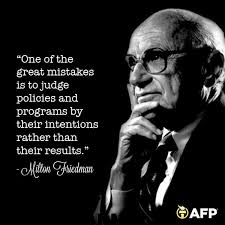
    There is enormous inertia—a tyranny of the status quo—in private and especially governmental arrangements. Only a crisis—actual or perceived—produces real change. When that crisis occurs, the actions that are taken depend on the ideas that are lying around. That, I believe, is our basic function: to develop alternatives to existing policies, to keep them alive and available until the politically impossible becomes politically inevitable.-Milton Friedman
    Screen Shot 2014-11-19 at 4.27.00 PM

Disrupted Physician 101.3 –“For What it’s Worth”— The ASAM/ABAM Diploma Mill
“In a time of universal deceit, telling the truth is a revolutionary act.”
— George Orwell

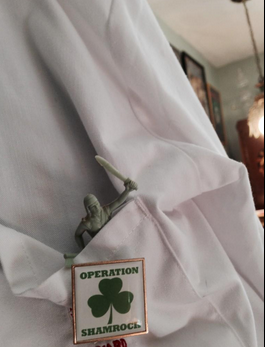
IMG_6274 2

I can think of no other specialty or subspecialty in the profession of medicine where non-existent expertise can be incontestably announced and implemented.  If I claimed to be an ace neurosurgeon or an expert otolaryngologist and started practicing my claimed skills in the hospital I would be called on it pretty quick by both colleagues and patients–deemed a delusional fraud and run out on a rail within a week.  Both law enforcement, attorneys and psychiatry would be called in short order.

Yet doctors who have not met the usual and customary standards for professional and educational quality that have been identified for medical specialties and subspecialties are able to claim expertise in “addiction medicine” and everybody just lets them.

To make this point I sat for the 2010 American Board of Addiction Medicine Certification Examination.  I did this to make a point–kind of like seeing how easy it is to buy a gun at a Walmart.

I simply went to the ABAM Website, completed the application and paid the fee.

Screen Shot 2014-11-24 at 1.59.02 AM

The requirements to sit for the exam included so many “practice experience hours” over the past five years and 50 CME credits related to addiction.

With a year of psychopharmacology research, a half-day per week moonlighting at the MBTA medical clinic giving drug tests to bus drivers and another overnight moonlighting job giving medical clearance to patients at a local psychiatric hospital detox unit I satisfied the first requirement.   For the latter I looked through the last five years of morning reports, noontime lectures and grand rounds I went to and added them up and, falling a little short supplemented the CME credits with some online modules.

And with that I was given a date at Pearson to take the test.

I have absolutely no training or education in the field of addiction medicine.  I didn’t pick up a book or study anything. I did not prepare at all. I did not even get a good night’s sleep the night before and stayed up until 2:30 a.m.   Nevertheless I went to the testing facility the next morning and finished the test within an hour and a half.  My score is below.  Aced it.   Passing score was 394 and I got a 459.

Screen Shot 2014-03-17 at 3.29.21 PM

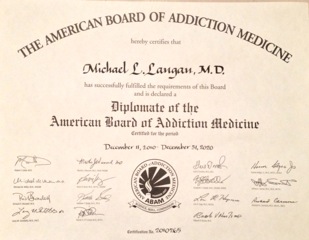
And the point I am trying to make is I am no expert in Addiction Medicine.  Neither is 4000 of me. Yet the letter below says I am.  Majority apparently rules.

Giving false expertise to the unqualified and granting them power over others is just as dangerous as the gun from Walmart.  They can both kill.

An interest in something does not an expert make. If we allow this then the ASAM 12-step chronic brain disease model not only swallows addiction medicine but tarnishes all of medicine.  An imposition by force and the deep pockets of the billion dollar drug and alcohol testing, assessment and treatment industry.

ASAM is not a true medical specialty. It is a special interest group.   ABAM is not recognized by the American Board of Medical Specialties (ABMS).

The arguments seem to be:

1) Addiction is a prevalent “disease”  that needs to be “treated;”

2) There are not enough Addiction Psychiatrists to diagnose and treat them.

3) Being an M.D. addict or alcoholic gives enough knowledge and apprenticeship skills to diagnose and treat others with the same affliction.

4) Let’s utilize them to fill the void.

This is logical fallacy and it is dangerous.

The validity and reliability of opinions lie in their underlying methodology and evidence base. Reliance on the personal authority of any expert or group of experts is the fallacy of appeal to authority.

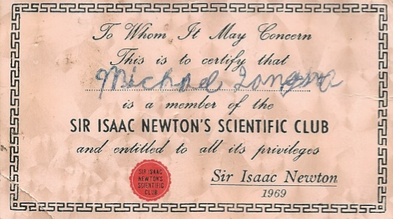
An interest in something does not an expert make.  I had an interest in science as a child but my certification as a member of Sir Isaac Newton’s Scientific Club did not make me a scientist.

Screen Shot 2015-05-10 at 2.27.52 AM

I have asthma but that does not make me a Pulmonologist.  That addiction “specialist” diagnosing and treating you may have 5 years prior been a proctologist; and maybe not even a very good one at that.

Somewhere there may be doctor with no post-graduate training in surgery wielding a scalpel and calling himself an expert surgeon, but it is difficult to imagine that he is a very good one.

I received my ABMS certification without meeting a single person. It was all done by mail.   This fits the very definition of “Diploma Mill.”  This is not to besmirch those with a sincere interest in helping others with addiction.  Many if not most of those involved are sincere. But this is not expertise.  This is not authority. And, as we have seen, this low bar opens the door for some very bad apples.

Screen Shot 2014-11-24 at 12.18.00 AM

“This election is not about issues,” Rick Davis, John McCain’s campaign manager said this week. “This election is about a composite view of what people take away from these candidates.” That’s a scary thought. For the takeaway is so often base, a reflection more of people’s fears and insecurities than of our hopes and dreams.
— Judith Warner, New York Times, September 4, 2008

images-2

Disrupted Physician 101.1: The “Impaired Physician Movement” and the History of the American Society of Addiction Medicine (ASAM)

Disrupted Physician 101.1: The “Impaired Physician Movement” and the History of the American Society of Addiction Medicine (ASAM).

Henry David Thoreau

“With one arm around the shoulder of religion and the other around the shoulder of medicine, we might change the world.”—Twelve Steps and Twelve Traditions, AA World Services, Inc (1953).

In 1985 the British sociologist G. V. Stimson wrote:

“The impaired physician movement is characterized by a number of evangelical recovered alcoholic and addict physicians, whose recovery has been accompanied by an involvement in medical society and treatment programs. Their ability to make authoritative pronouncements on physician impairment is based on their own claim to insider’s knowledge.”

The American Society of Addiction Medicine’s mission is to “establish addiction medicine as a specialty recognized by professional organizations, governments, physicians, purchasers, and consumers of health care products, and the general public.”  

In this they have succeeded.images-4

And in the year 2014 Stimson’s characterization of the “impaired physician movement” remains as accurate and apt as it was in 1985. But the “number of evangelical recovered alcoholic and addict physicians” has increased dramatically  (outnumbering Addiction Psychiatry by 4:1)  and their involvement in  medical society and treatment programs” has been realized and enforced through the state Physician Health Programs and their “PHP-approved’ assessment and treatment centers.

Their “ability to make authoritative pronouncements on physician impairment…based on their own claim to insider’s knowledge”  has become public policy and sanctified by Regulatory Medicine -essentially the Word of the Lord.

And the 1953 Alcoholics Anonymous prophecy that “With one arm around the shoulder of religion and the other around the shoulder of medicine, we might change the world” is also coming to pass.

But the world is not changing for the better as that arm around the shoulder of religion has its fingers deep in the pockets of the multi-billion dollar drug and alcohol testing and assessment and treatment industries.  And the arm around the shoulder of medicine has its fingers clamped tightly around its throat; a stranglehold in full throttle suffocating the Profession of Medicine with no meaningful opposition I can see.

Three shells and a pea–ASAM, FSPHP, and LMD

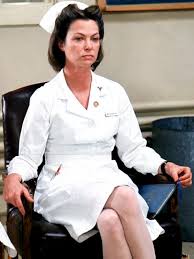
Unknown-3She likes a rigged game, you know what I mean?”

— R.P. Murphy in Ken Kesey’s One Flew Over the Cuckoo’s Nest

Screen Shot 2014-03-12 at 1.16.25 PM

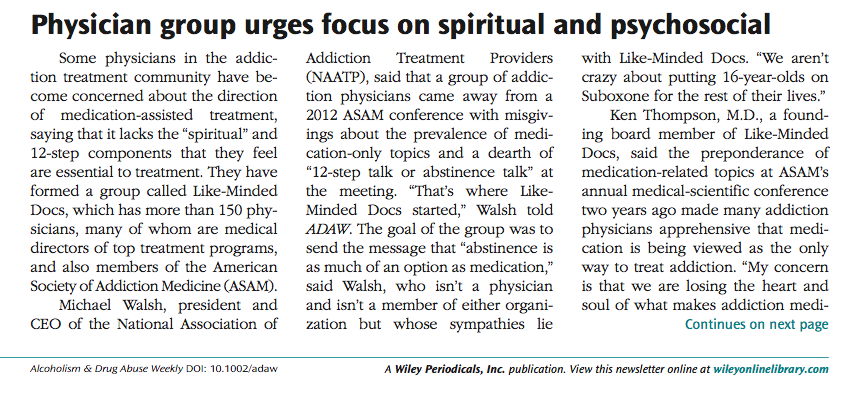
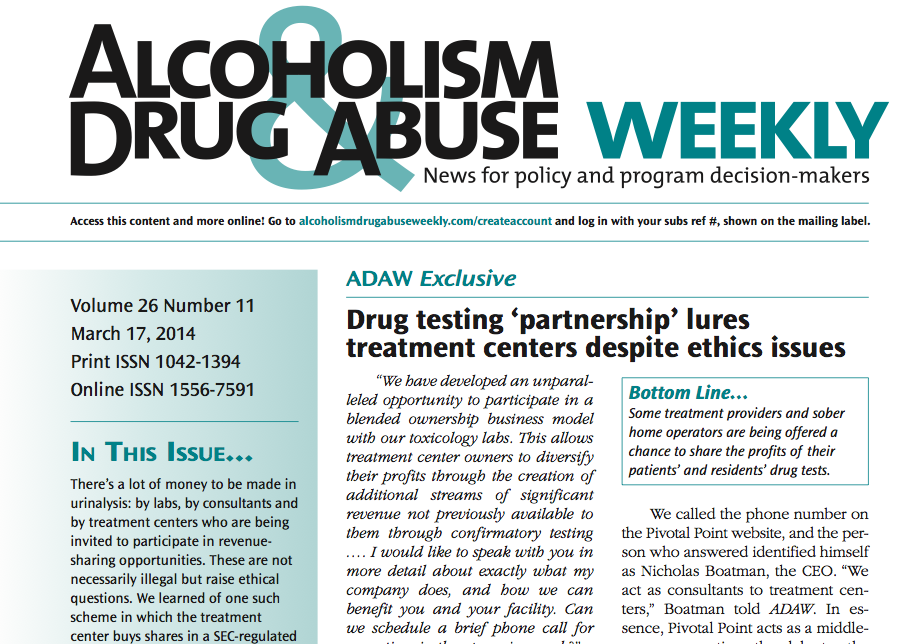
Published  in the March 17, 2014 newsletter Alcoholism and Drug Abuse Weekly, an article  entitled “Physician group urges focus on spiritual and psychosocial” describes a group of doctors who “emphasize that for all addictions, the psychosocial and spiritual interventions, including 12-step interventions must be included in the treatment process and,” according to founding board member Dr. Ken Thompson, M.D., “to not do so falls short of practicing good addiction medicine.”

With a “significant percentage” in 12-step recovery themselves, “they have formed a  group called “Like-Minded Docs,which has more than 150 physicians, many of whom are medical directors of top treatment programs and also members of the American Society of Addiction Medicine (ASAM).” Dr. Thompson is in fact the Medical Director of Caron treatment center in Pennsylvania. The group also includes the medical directors of Hazelden, Talbott, Marworth, Promises, and other assessment and treatment centers used by state regulatory agencies to evaluate and treat referred physicians.    The President of the American Society of Addiction Medicine is a Like-Minded Doc as is former White House Drug Czar (1973-1977) Robert Dupont. In addition, the physician who introduced the long-term alcohol biomarkers Ethyl-glucuronide (EtG),  Ethyl-sulfate (EtS), and Phosphatidylethanol (PEth) is a like-Minded Doc as is  Wayne Gavryck, The Medical Review Officer for the Massachusetts Physician Health Program PHS, Inc.  How does he reconcile his 12-step belief system with fraud and misconduct?   It is either doublethink or the A.A. spirituality persona is just a front.

Although I  applaud the ideal of addressing the psychosocial and spiritual aspects of addiction and acknowledge that 12-step recovery is a treatment tool that can provide great benefit to some people, I do believe there is an inherent conflict-of-interest here. Having no strong feelings for or against A.A, I  view it through the same pluralistic and open-minded lens as I do religion or philosophy;  there are many paths to salvation and none superior. I have referred patients to A.A. myself  and see it as an option and a personal choice, one tool in the toolbox  that can provide great benefit to some people, do absolutely nothing for others and, in fact, harm some.   If it works for you good for you. Knock yourself out.  If not then let’s try something different.Screen Shot 2014-03-15 at 7.33.14 PM

So although the ideals of Like-Minded Docs are ostensibly laudable, the framework is not necessarily so.  What is  most concerning is a confluence of currents that preclude option and choice. It is a scaffold that can be used for coercion, control, and imposition. And this is exactly what is being done in many of the State Physician Health Programs (PHPs).

Originally funded by state medical societies and staffed by volunteer physicians, PHP’s were designed to help sick doctors and protect the public. But over the past decade these programs have undergone a sweeping transformation due to the influence of the American Society of Addiction Medicine (ASAM). Unlike Addiction Psychiatry, ASAM is not recognized by the American Board of Medical Specialties (ABMS). They created their own “board certification” (ABAM)  in 1986 and most physicians do not know that the only requirement is an M.D. in ANY specialty and some sort of experience in substance abuse.

Trumpeting the false dichotomy that addiction is a “brain disease” and not a “moral failing” while portraying themselves as altruistic advocates of the afflicted, the ASAM has cultivated an organization that exudes authority, knowledge, respectability, and advocacy. They have set forth definitions of addiction, shaped diagnostic criteria, dictated assessment protocols, and shaped public policy all under the guise of scholarship and compassion.

They introduced junk science such as the EtG and PEth alcohol biomarkers through Greg Skipper, FSPHP, ASAM, and another Like-Minded Doc.

They created the “moral panic” of a hidden cadre of drug addled and besotted doctors protected by a “culture of silence” disguised as some of the best workers in the hospital and in fact look “just like us.”  They introduced and promulgated the nebulous “disruptive physician” and successfully fostered a moral crusade to attack this huge hidden threat. And if you do a little searching you will find that their  next target is the “aging physician,”  demented doctors causing unseen mayhem and assailing the public good.  They are now  fomenting a call to arms to root out senility in medicine. It is the same tactic they used in the substance abusing and disruptive physician.  Social entrepreneurs.  Moral panic. Moral crusade.   With no evidence base and the use of  propaganda and disinformation they have convinced regulatory and administrative medicine that witches are real, witches are evil,  and they are the authority when it comes to witches and know how to identify and root them out with our witchpricking instruments.  And you know what?. It worked.

And by infiltrating state PHPs they have become the might and main of addiction medicine in the United States. By removing dissenters who disagreed with the groupthink they have taken over most of the state PHPs and organized under the Federation of State Physician Health Programs (FSPHP).

And the State PHPs under the FSPHP are very strict when it comes to choice in rehabilitation facilities for for physicians in need of assessments for substance abuse. In fact there is usually no choice in the matter.  The physician may be given a choice of facilities but that is a ruse as it is a false choice– smoke and mirrors sleight of hand. Deception.

As home to some of the countries top ranked hospitals and most prestigious medical schools Massachusetts is an international healthcare hub with world-class teaching, research, and clinical care. Two of the top three psychiatric hospitals in the United States as rated by U.S. News and World Report are found here in Massachusetts with McLean Hospital earning the top prize and Massachusetts General Hospital ranked number three. However, this medical mecca of learning and research is apparently unable to attract anyone with the competence and skill to assess a physician for addiction or substance abuse.

In Massachusetts if the State PHP, PHS,inc. feels a physician is in need of an assessment the evaluation must be done at “a facility experienced in the assessment and treatment of health care professionals.”  No exceptions. And apparently these esoteric skills are only found in Georgia, Arkansas, Alabama, Kansas, and a half dozen other far-away places.

With over 20 years experience with the Massachusetts PHP, Physicians Health Services, inc., Harvard Medical Schools Dr.’s John Knight and J. Wesley Boyd published an article in the Journal of Addiction Medicine last year concerning Ethical and Managerial Considerations Regarding State Physician Health Programs.

One of the issues they discussed was the conflicts of interest between the state PHPs and the evaluation centers. One comment I was surprised got past editorial review was that the treatment centers may “consciously or otherwise” tailor diagnosis and recommendations to the PHP’s impression of that physician. “consciously” tailoring a diagnosis is fraud. It is political abuse of psychiatry. It is unethical. It is, in fact, a crime.

If you cross-reference the  medical directors of the “PHP-preferred facilities”  with the list of LMD’s it is a perfect match.

Therefore when the PHP refers a physician for an evaluation and gives them a choice of an assessment facility there is no choice. It is three card monte. A shell game. Heads I win tails you lose.

The ASAM has imposed the prohibitionist chronic brain disease spiritual recovery model of addiction on the field of medicine. It is a system of coercion, control, and indoctrination. And another ASAM Like-Minded Doc, Robert Dupont, is calling this the “new paradigm” of addiction medicine and wants to spread it out to other venues including schools.

Like-Minded Docs solves the final piece of the puzzle. It explains why so many doctors across the country are claiming fabrication and manipulation of personality and cognitive tests to support nonexistent diagnoses. In evaluating a physician this group is not gathering data to form a hypothesis but making data fit a hypothesis that arrived well before the physician did.  And this may be part of the explanation for the recent marked increase in physician suicide. With guilt assumed from the start, no due process, no appeal, and no way out physicians are being bullied, demoralized, and dehumanized  to the point of hopelessness. This needs to end now.

Medicine is predicated on competence, good-faith, and integrity. Medical ethics necessitates beneficence, respect, and autonomy. The scaffold erected here is designed for coercion and control. Exposure, transparency, and accountability are urgent. An evidence based Cochrane type assessment of their “research” and an Institute of Medicine Conflict of Interest review are long overdue. The emperor has no clothes and sunshine is the best disinfectant.

She likes a rigged game, you know what I mean?

Screen Shot 2014-03-15 at 7.38.33 PM