Psychopathy and the Medical Profession

IMG_9598Psychopathy is present in all professions. In The Wisdom of Psychopaths: What Saints, Spies, and Serial Killers Can Teach Us About Success, Kevin Dutton provides a side-by-side list of professions with the highest (CEO tops the list) and lowest (care-aid) percentage of psychopaths.   Interestingly surgeons come in at #5 among the professions with the highest percentage of psychopathy while doctors  (in general) are listed among the lowest.

Although by no means a scientific study, Psycopaths, by their very nature, seek power and it would make sense that a psychopath among us might pick surgery over pediatrics or pathology as they are drawn to power, prestige, and control. Be this as it may the incidence of psycopathy or psychopathic traits in doctors of any specialty is low. Statistics indicate that no more than 1% of men in general exhibit psychopathic traits. In Women these characteristics are far less.

Due to irresponsible behavior and a tendency to ignore or violate social conventions and rules,  psychopaths frequently find themselves engaged in conduct involving the criminal justice system or involved in other disciplinary action. Juvenile delinquency, arrests, school suspensions and misconduct related issues are barriers that preclude professional careers for many and, with around 15% of the prison population estimated to be psychopathic, incarceration and recidivism are common final pathways. Because of this tendency it would be highly unlikely for most sociopaths to follow a standard professional career pathway involving academic rigor and normal professional and societal expectations,  because impulsive irresponsible actions commonly blocks it. This would predict a probably much lower prevalence of psycopathy in physicians compared to the general population.

That being said, such self imposed removal from a potential  career is the sole product of getting caught for misconduct and being held accountable for it.   Psychopaths possess several traits that make this difficult.    With a talent for “reading people” and identifying their weak spots and vulnerabilities they are able to get people to see what they want them to see.  Psychopaths often exude charm, confidence and charisma.  They can lie effortlessly and are very convincing..

The natural history of psychopathy involves risky behavior and the ability to get away with it or out of it. The consequences of this depend on if and when it occurs. It is entirely conceivable that some may live their entire lives undetected. With a need for stimulation and a proneness to boredom the psychopath is particularly prone to drug abuse and addiction and twice as likely as the general population to be diagnosed.

 Psycopathy involves a path of risky behavior as well as the potential for being held accountable for it. At any age the behavior that brings they psychopath to the attention of the criminal justice system is often drug or alcohol related. The natural history of the average psychopath reveals an overrepresentation in prison with a 15x greater risk in general. Any statistics on psycopathy in a population is based on psychometric evaluations retrospectively in specific populations. Being arrested or getting caught for something does not reveal the pathology or the correlation. You have to look for it.

And nothing is known of subpopulations of psychopaths and the impact of intelligence, education, profession and other factors and how they relate to outcomes and consequences over time. Egocentricity and a sense of entitlement drives they do not adapt to the environment but try to make the environment adapt to them. Without empathy and lacking remorse the goal is always self-serving and a question of what they can get out of it.

 Many judges, as an alternative to incarceration, have been requiring people arrested for drug and alcohol related offenses to attend AA meetings and provide proof of participation. As misguided as this is on other levels it is also dangerous. Given a choice between incarceration and attending AA the majority of any population, including those with psychopathic traits, would choose the latter. And as in any situation they would use it to see what they could get out of it. Masters of manipulation and impression management in a room full of potential victims. The reports of rape and theft coming out is no surprise. It is in all likelihood much worse.

And in reality psychopaths exist in every profession, including medicine.

What is the natural history and final common pathway of M.D. psychopaths?  Where do these shape-shifters end up?

Screen Shot 2014-11-08 at 11.10.42 PM

In his book Without Conscience, Dr. Robert Hare notes “If we can’t spot them, we are doomed to be their victims, both as individuals and as a society. ” Dr. Clive Boddy in Corporate Psychopaths observes that unethical leaders create unethical followers, which in turn create unethical companies and society suffers as a result.” And if you look at the Federation of State Physician Health Programs (FSPHP) and those in charge of state physician health programs that is exactly what you will find.     Less than 1/% of the population are psychopaths but they represent more that 10% of those in prisons.  What is the natural history of the physician psychopath? You do the math.

images-4

http://psychopathyinfo.wordpress.com/2012/03/22/characteristics-of-corporate-psychopaths-and-their-corporations/

Press Release | Forensic Science Misconduct: A Dark and Cautionary Tale | @csidds

Press Release | Forensic Science Misconduct: A Dark and Cautionary Tale | @csidds.

capture11

Originally posted on FORENSICS in FOCUS @ CSIDDS | News and Trends:

mbAPphoto

Don’t expect a “whodunnit” version of CSI victories in this Op-ed blog article about a darker side of the forensic sciences. It is from an author with ample forensic credentials and experience from both within and outside criminal courts of the US. The article has topics ranging from the continued use of outdated or grossly over hyped “CSI” methods, ethical and moral failures in some forensic groups, to the criminal courts inability to understand much of anything about what is “real ” versus self-serving personal opinion called “science.” A measure of proof confirming these systemic problems is the article’s presenting a glimpse into the multi-million dollar costs to taxpayers for damages won by those wrongfully convicted with the help of court-qualified forensic testimony. Some optimism about better scientific scrutiny is presented but the institutional inertia resisting legitimate change in some forensic organizations, government agencies, and criminal  justice institutions is still…

View original 56 more words

Bent Science and Bad Medicine: The Medical Profession, Moral Entrepreneurship and Social Control

mllangan1's avatarDisrupted Physician

IMG_9005The Medical Profession, Moral Entrepreneurship, and Social Control

Sociologist Stanley Cohen  used the term “”moral panic” to characterize the amplification of deviance by the media, the public, and agents of social control.1  Labeled as being outside the central core values of consensual society, the deviants in the designated group are perceived as posing a threat to both the values of society and society itself.   Belief in the seriousness of the situation justifies intolerance and unfair treatment of the accused.   The evidentiary standard is lowered.

Howard Becker describes the role of “moral entrepreneurs,” who crusade for making and enforcing rules that benefit their own interests by bringing them to the attention of the public and those in positions of power and authority under the guise of righting a society evil. 2

And according to cultural theorist Stuart Hall, the media obtain their information from the primary definers of social…

View original post 2,654 more words

American Doctors Are Killing Themselves and No One Is Talking About It–By Gabrielle Glaser via the Daily Beast

Screen Shot 2015-03-23 at 7.31.40 PMVia the Daily Beast:   http://www.thedailybeast.com/articles/2015/03/23/american-doctors-are-killing-themselves-and-no-one-is-talking-about-it.html

Screen Shot 2015-03-23 at 7.32.01 PM

Excerpt:

“Doctors who acknowledge problems with substances or mental health are typically referred to a physicians health program, or PHP. These organizations evaluate, monitor, and treat physicians. Established initially in the 1970s, PHPs, which exist in almost every state, were intended to divert physicians suffering from alcohol or drug problems from censure from their state medical boards. PHPs are incorporated as nonprofits and have autonomy from the boards. But some PHPs breach confidentiality if they fear a doctor is a danger to the public. And some state medical boards also fund their PHPs. Since the boards hold the keys to licensure, many say this is a conflict of interest.

There are growing concerns about whether PHPs have the right approach to the job. They typically send doctors to rehab programs rooted in the faith-and-abstinence principles of Alcoholics Anonymous. While AA’s 12 steps might work for some with alcohol-use disorders, critics say most PHP recommendations are ill suited for patients with mental health problems.

J. Wesley Boyd, a Harvard psychiatrist who left his post as assistant director of the Massachusetts PHP over a disagreement about practices there, says PHPs routinely intimidate their clients. In an article he co-wrote for the Journal of Addictions Medicine in 2012, Boyd noted that many doctors who seek or are referred by colleagues for treatment are mandated to attend pre-selected rehabilitation facilities for 60 to 90 days. Afterward, they must agree to monitoring and drug testing, typically at their own cost. When doctors resist PHP recommendations, they risk losing their livelihood and their licenses.”

For full article see:  http://www.thedailybeast.com/articles/2015/03/23/american-doctors-are-killing-themselves-and-no-one-is-talking-about-it.html

An Open Letter to Senator Elizabeth Warren Regarding Laboratory Developed Tests, Physician Health Programs and Institutional Injustice

Screen Shot 2015-01-08 at 9.54.30 PM

—There is no place in science for consensus or opinion, only evidence.-Claude Bernard

Dear Senator Warren,

Thank you for your reply regarding laboratory developed tests (LDTs) and the need for regulatory oversight.   As you mention, LDTs are developed without FDA approval—a pathway in which is not even necessary to prove validity of a test (that it is actually testing what it claims to be testing for) to bring it to market. With no FDA oversight or regulation a commercial lab can claim any validity they want in marketing these tests. The regulation debate has focused on the reliability and validity of a number of clinical tests marketed with unverified claims of accuracy such as prenatal screening and Lyme disease and this lack of oversight is a direct threat to patient safety.

I am sure you would agree with me that the importance of tests diagnostic accuracy is directly proportional to that tests potential to cause patient harm if reported inaccurately.

Sensitivity and specificity are important components of any diagnostic test because there are consequences associated with both false-positive and false negative results.

A test falsely indicating the absence of a condition in someone who truly has it can delay or prevent needed treatment wile a test falsely indicating the presence of a condition in someone who does not truly have it can result in unnecessary testing and treatment.

Incorrect treatment and false labeling of patients can also occur. Therefore diagnostic accuracy is paramount if a test is being used as the basis for further tests and treatment. Any test being used as a basis for further tests or treatment needs to be accurate. It needs to be reliable and valid. Moreover, if the consequences of a test can result in significant patient harm (such as unneeded chemotherapy) it needs to be either 100% accurate or be combined with other tests to confirm the true diagnosis.

 “Forensic” vs. “Clinical” Laboratory Testing

“Forensic” testing differs from “clinical” testing because of the consequences and the process is tightly controlled because false-positive results are unacceptable as the consequences can be grave, far-reaching and even permanent.

Forensic testing demands special handling and safeguards to protect the donor such as validated tests, certified labs, strict chain-of-custody procedures and MRO (Medical Review Officer) review. These safeguards of quality control assure the validity and integrity of the specimen.   The LDT pathway was not designed for forensic tests.

Forensic Laboratory Developed Tests (LDTs)

 Paradoxically, laboratory developed tests with the potential to cause  life-changing and possibly irreparable harm have been absent from the regulatory debate; LDT drug and alcohol tests used for “forensic” monitoring purposes.

A panoply of tests using urine, blood, hair, fingernails breath and saliva have been developed and brought to market since 2003 when the first one was introduced by Gregory Skipper, then Medical Director of the Alabama Physicians Health Program, who “convinced the initial lab in the USA, NMS near Philadelphia to start performing EtG testing.” 1

Developed as an LDT, Skipper and NMS then claimed the alcohol biomarker (which was discovered in the 1950s) “appeared to be 100 percent specific” in detecting covert use of alcohol based on a study he coauthored that involved a mere 35 forensic psychiatric inpatients in Germany, all male. 2   With this “evidence-base” and a not yet published paper in the pipeline,3   Skipper then pitched the test to the Federation of State Medical Boards (FSMB) as an accurate and reliable tool detect covert alcohol use in health care professionals.

Policy Entrepreneurship

In  “Agendas, Alternatives, and Public Policies,”4 John W. Kingdon describes the problem, policy and political streams involved in public policy making.   When these three streams come together a specific problem becomes important on the agenda, policies matching the problem get attention, and then policy change becomes possible.

Kingdon also describes “policy entrepreneurs’ who use their knowledge of the process to further their own policy ends. They ‘lie in wait… with their solutions at hand, waiting for problems to float by to which they can attach their solutions, waiting for a development in the political stream they can use to their advantage.”4

And due to a perfect confluence of streams ( Institute of Medicine report that 44,000 people die each year due to medical error,5 media reports of “impaired physicians,”  the the war-on-drugs, etc.)  the FSMB was swayed into accepting not just the validity but the necessity of using an alcohol biomarker of unknown reliability and validity on doctors referred to or monitored by state Physician Health Programs (PHPs) .

As the national organization that gives guidance to state medical boards through public policy development and recommendations, the individual state medical boards adopted use of the test without critical appraisal and no meaningful opposition.

Shortly after its founding in 1912, the FSMB began publishing a  journal called the Quarterly of the Federation of State Boards of the United States. Now known as the Journal of Medical Regulation, the publication has archived all issues with full articles dating back to 1967 and, as the official journal of the national organization involved in  medical licensing and regulation this facilitates an unskewed and impartial examination of how and when specific issues and problems were presented and who presented them and, in doing so, the “policy entrepreneurship” Kingdon describes can be seen quite clearly. For example a 1995 issue containing articles written by the program directors of PHPs in 8 different states contains an FSMB editorial acknowledging the reported 90% success rate claimed of these programs (in part attributed to the 90-day inpatient treatment programs) that concludes:

“Cooperation and communication between the medical boards and the physician health programs must occur in an effort to protect the public while assisting impaired physicians in their recovery.” 6

No one bothered to examine the methodology of these reports to discern the validity of the claims and it is this acceptance of faith without objective assessment that has allowed the passage of flawed public policy in medical regulation.

Nowhere  is “policy entrepreneurship” more glaringly displayed as it is in a 2004 issue promoting the use of EtG in monitoring doctors as under the same cover is an article identifying both the need7 for such a test and an article providing the solution.8  

“Detection of Alcohol Use in Monitored Aftercare Programs: A National Survey of State Physician Health Programs,” a survey of state Physician Health Programs (PHPs) concludes that “surreptitious alcohol use” is a significant concern” for PHPs, there is no current  “best method” for detection,  but a promising new test  with “exceptional specificity (100 percent) and sensitivity” in detecting small amounts of alcohol for up to 18 hours has recently become available.7

This same issue contains an article authored by Skipper about a new marker “not detectable unless alcohol has been consumed” recently introduced in the United States and now commercially available.”8

Notably absent from both of these articles is Skipper’s role in the commercial availability of the test. This conflict-of-interest is nowhere mentioned in this display of “creating a market then filling it.”

This “regulatory sanctification” of the test implied its tacit approval by the medical profession  (i.e. “if they are using it on doctors it must be valid”) and facilitated its marketing  to other monitoring agencies (nurses, airline pilots) as well as  Courts and Probation Departments where those doing the monitoring had absolute power while those being monitored had no voice.

Bent Science

In Bending Science: How Special Interests Corrupt Public Health Research9, Thomas McGarity and Wendy Wagner describe how special interest groups scheme to advance their own economic or ideological goals by using carefully crafted distorted or “bent” science to influence legal, regulatory and public health policy.  The authors describe how those making these decisions often assume the information that reaches them has been sufficiently vetted by the scientific community as it flows through a pipeline of rigorous peer-review and professional oversight and that the final product that exits the pipeline is unbiased and produced in accordance with the norms and procedures of science.

McGarity and Wagner note the serious and sometimes horrific consequences of bent science and provide examples involving Tobacco and Big Pharma . The authors call for:

“..immediate action to reduce the role that bent science plays in regulatory and judicial decision making” and the need for the scientific community to be involved in “designing and implementing reform.”

“Shedding even a little light on how advocates bend policy -relevant science could go a long way toward remedying these problems.  Indeed, precisely because the advocates have overtaken the law in this area, heightened attention to the social costs of bending science could itself precipitate significant change.”

In the case of EtG this shedding of light is not very hard as no “carefully crafted” studies bending science were used to sway opinion.   None existed. The only items in the pipeline were directly related to Skipper.  If anyone dare to look, the Emperor has no clothes.

Lack of Answerability and Accountability

There are difficulties in challenging bent science including a general lack of recognition of the problem and an absence of counter-studies to oppose deliberately manufactured ends-oriented research.   This has proven true with the myriad LDTs introduced into the marketplace as no counter-forces or competing economic interests producing counter-studies exist.

Multiple lawsuits, including a class-action, have been decided in favor of the labs who have taken a stand-your-ground approach supported by a body of industry-related “research” they or their affiliates produced to support the validity and reliability of the tests.

Those affected by these tests either have no power or have had their power removed. Most do not have the resources to mount a defense let alone produce counter-studies questioning the reliability and validity of the tests.

Most employee drug testing follows Department of Health and Human Services (DHHS) guidelines using FDA-approved tests that have specific cutoff levels defining a positive-result in an effort to eliminate false-positive results.10  Procedural safeguards are in place in these programs to protect the donor.  Forensic testing programs using LDTs provide no such safeguards as the testing is unregulated and there is no oversight from outside actors.

Unlike clinical LDTs “forensic” LDTs are even exempt from CLIA oversight.   The only avenue for complaint is through the College of American Pathologists (CAP) and, as an accrediting agency, they can only address problems by ensuring compliance with CAP guidelines.   If an investigation concludes lab error or misconduct CAP can mandate the lab correct the test result and come into compliance with their guidelines under threat of loss of accreditation but no other consequences exist.  Accountability has been removed yet the  consequences to those harmed by these are significant and without remedy.

State Physician Health Programs

As is the case with the LDTs  they introduced, Physician Health Programs have no oversight or regulation.   A 2013 Audit of the North Carolina PHP 11 prompted by complaints from doctors and performed by State Auditor Beth Woods found absolutely no oversight of the program by either the state medical board or medical society and that “abuse could occur without being detected.”

The Audit also found that doctors were predominantly referred to the same “PHP-approved” out-of-state facilities to which they in part attribute their high success rates in treatment. Interestingly the PHP could not identify what quality indicators or quantitative measurements were used by the PHP to “approve” the “PHP-approved” facilities.

In January of 2015 a Federal class action lawsuit was filed in the Eastern District of Michigan against the state PHP program and found health care providers were subject to the same referral system using these out-of-state facilities. The suit alleges constitutional violations related to the forced medical treatment of health care professionals and the “callous and reckless termination of professional licenses without due process.” 12

As with North Carolina, the Michigan PHP will be unable to provide what quality indicators and quantitative measurements are being used to “qualify” and “approve these facilities.    None exist. The sole indicators for approving these assessment centers are ideological and economic. In fact, the medical directors of most, if not all, of these facilities can be seen on this list of “like-minded docs.” 

Institutional Injustice

You once said “People feel like the system is rigged against them. And here’s the painful part: they’re right. The system is rigged.”

So too is this system.

As the Michigan lawsuit notes: “Unfortunately, a once well-meaning program has turned into a highly punitive and involuntary program where health professionals are forced into extensive and unnecessary substance abuse/dependence treatment under the threat of the arbitrary application of pre-hearing deprivations.”

This has become the rule not the exception. The Federation of State Physician Health Programs (FSPHP), the same group to which Dr. Skipper belongs, has systematically taken over these programs state by state by removing competent and caring doctors not agreeing with the groupthink and silenced them under threat of litigation if they violate their confidentiality agreements and “peer review” statutes.

The same system of coercion, control and abuse exists in Massachusetts.  In the past week alone I have heard from a medical student, a resident and two doctors who complained of misconduct  misconduct involving fraudulent testing and falsified diagnoses.

In “Ethical and Managerial Considerations Regarding State Physician Health Programs,” published in the Journal of Addiction Medicine in 2012, Drs. John Knight, M.D. and J. Wesley Boyd, M.D., PhD who collectively have more than 20 years experience with the Massachusetts Physician Health Program (PHP) state that:

“Because PHP practices are unknown to most physicians before becoming a client of the PHP, many PHPs operate out- side the scrutiny of the medical community at large. Physicians referred to PHPs are often compromised to some degree, have very little power, and are, therefore, not in a position to voice what might be legitimate objections to a PHP’s practices.”13

Noting that “for most physicians, participation in a PHP evaluation is coercive, and once a PHP recommends monitoring, physicians have little choice but to cooperate with any and all recommendations if they wish to continue practicing medicine,” Knight and Boyd raise serious ethical and managerial questions about current PHP policies and practice including conflicts of interest in referrals for evaluation and treatment, lack of adherence to standards of care for forensic testing of substances of abuse, violations of ethical guidelines in PHP research, and conflicts of interest with state licensing boards.

Knight and Boyd recommend “the broader medical community begin to reassess PHP’s as a whole” and that “consideration be given toward the implementation of independent ethical oversight and establish and appeals process for PHP clients who feel they are being treated unfairly.” 13

They recommend the relationship between PHP’s and the evaluation and treatment centers and licensing boards be transparent and that national standards be developed “that can be debated by all physicians, not just those who work within PHPs.”13

Accountability, or answerability, is necessary to prevent corruption.  This requires both the provision of information and justification for actions.    What was done and why? Accountability also requires that consequences be imposed on those who engage in misconduct.

In discussing the financial conflicts-of-interest between PHPs and “PHP-approved” assessment centers Knight and Boyd state:

“..if a PHP highlights a physician as particularly problematic, the evaluation center might–whether consciously or otherwisetailor its diagnosis and recommendations in a way that will support the PHP’s impression of that physician.”  

To “consciously tailor a diagnosis” is fraud. It is political abuse of psychiatry. And it is not only the assessment and treatment centers willing to “tailor” a diagnosis; so too are the labs involved.

Physician Suicide

I can think of nothing more institutionally unjust than an unregulated zero-tolerance monitoring program with no oversight using unregulated drug and alcohol testing of unknown validity.   But that is what is occurring.   Some of us are trying to expose this corrupt system but barriers exist. As with the Laboratory Developed Tests (LDTs), those involved have intentionally taken steps to remove both answerability and accountability.  Both the tests and the body of individuals administering these tests are notable for their lack of transparency, oversight and regulation.  This renders them a power unto themselves.

Doctors (and others coerced into Professional Health Programs) across the country have reported going to law enforcement and state agencies only to be turned away.   The Federation of State Physician Health Programs (FSPHP)  has convinced these outside agencies that this is a “parochial” issue best handled by the medical profession..   Those reporting crimes are turned back over to the very people committing the crimes.

The Massachusetts Medical Society and Massachusetts DPH claim no oversight of the Massachusetts PHP, PHS.inc. The Massachusetts Board of Registration in Medicine (BORM) will not address ethical or even criminal complaints about the doctors involved in the PHP and there is good evidence that some members of the BORM are in fact complicit in unethical and even criminal behavior. As the Massachusetts AGO represents the BORM they defer issues back to them and dig no deeper.

Drs. Knight and Boyd have suggested State Audits and we are hoping that MA State Auditor Suzanne Bump will investigate the MA PHP and the Board of Registration in Medicine’s Physician Health and Compliance Unit shortly.

One major problem is that barriers have been put in place to prevent information from getting to the right people.

The majority of people at medical societies, boards, departments of public health and other organizations are individuals of integrity and honesty but the system has been erected so that valid complaints are deflected, delayed, dismissed or otherwise tabled by sympathizers, apologists and those complicity.   The criminal activity the Massachusetts PHP is engaging in is undeniable and indefensible but who is going to hold them to account?

It is going to take a while to reform this system of institutional abuse and it has to be done state by state. Please take a look at the facts and documentary evidence and help me hold them accountable. This needs to be exposed, acknowledged and addressed.   Doctors are dying from this system of institutional abuse. It is a public health emergency no one is talking about.  Yet those behind the PHP programs are claiming this system of coercion, abuse and control is the “gold standard” of addiction treatment and, using another loophole, they want to expand this system to mainstream healthcare.

Sincerely,

Michael L. Langan, M.D.

  1. Skipper G. Exploring the Reliability, Frequency, and Methods of Drug Testing: What is Enough to Ensure Compliance?:   Alcohol Markers and Devices. 2013; http://www.fsphp.org/Skipper, Exploring the Reliability Frequency and Methods 2 Presentation.pdf.
  2. Wurst FM, Vogel R, Jachau K, et al. Ethyl glucuronide discloses recent covert alcohol use not detected by standard testing in forensic psychiatric inpatients. Alcoholism, clinical and experimental research. Mar 2003;27(3):471-476.
  3. Skipper GE, Weinmann W, Thierauf A, et al. Ethyl glucuronide: a biomarker to identify alcohol use by health professionals recovering from substance use disorders. Alcohol Alcohol. Sep-Oct 2004;39(5):445-449.
  4. Kingdon JW. Agendas, alternatives, and public policies. Updated 2nd ed. Boston: Longman; 2011.
  5. Leape LL. Institute of Medicine medical error figures are not exaggerated. JAMA : the journal of the American Medical Association. Jul 5 2000;284(1):95-97.
  6. Schneidman B. The Philosophy of Rehabilitation for Impaired Physicians. The Federal Bulletin: The Journal of Medical Licensure and Discipline. 1995;82(3):125-127.
  7. Jansen M, Bell LB, Sucher MA, Stoehr JD. Detection of Alcohol Use in Monitored Aftercare Programs: A National Survey of State Physician Health Programs. Journal of Medical Licensure and Discipline. 2004;90(2):8-13
  8. Skipper G, Weinmann W, Wurst F. Ethylglucuronide (EtG): A New Marker to Detect Alcohol Use in Recovering Physicians. Journal of Medical Licensure and Discipline. 2004;90(2):14-17.
  9. McGarity TO, Wagner WE. Bending Science: How Special Interests Corrupt Public Health Research. Cambridge, MA: Harvard University Press; 2008.
  10. US Department of Health and Human Services. Mandatory guidelines and proposed revisions to mandatory guidelines for federal workplace drug testing programs: notices. Federal Register. April 13, 2004;69(71):19659-19660.
  11. Wood B. State of North Carolina Performance Audit North Carolina Physicians Health Program. . http://www.ncauditor.net/EPSWeb/Reports/Performance/PER-2013-8141.pdf. Accessed March 17, 2015.
  12. U.S. District Court Eastern District of Michigan, Case No: 2:15-cv-10337-AJT-RSW (2015). Carole Lucas, R.N., Tara Vialpandno, R.N., Scott Sanders, R.N., Kelly Schultz, P.A., and all other similarly situated health professionals v. Michigan Department of Licensing and Regulatory Affairs, Carole Engel, J.D.Former Director of Michigan Bureau of Health Professions, Ulliance, Inc. (State Contractor), Carolyn Batchelor (HPRP Contract Administrator), Stephen Batchelor (HPRP Contract Administrator), and Nikki Jones, LMSW.   Filed January 30, 2015.
  13. Boyd JW, Knight JR. Ethical and managerial considerations regarding state physician health programs. Journal of addiction medicine. Dec 2012;6(4):243-246.

Screen Shot 2014-07-28 at 12.40.13 PMScreen Shot 2014-08-06 at 4.50.02 PM


photo 2

The Elephant in the Room: Physician Suicide and Physician Health Programs

The Elephant in the Room: Physician Suicide and Physician Health Programs.

images-2

Accountability is  rooted in organizational purpose and public trust.  Unfortunately, humanitarian ideals have been trampled by the imposition of corporate front groups who advance  hidden agendas under guises of science and scholarship  and patinas of benevolence.  Rife with conflicts of interest, these groups obfuscate, mislead and exploit us to further an underlying political and corporate agenda.  Healthcare and medicine has been infiltrated by various groups that pose a serious threat to both the humanitarian and evidence based aspects.

Go back

Your message has been sent

Warning
Warning
Warning
Warning

Warning.

rushmore-07

Screen Shot 2014-11-26 at 6.52.55 PM

The “Impaired Physician”–Increasing the grand scale of the hunt

“Wretched creatures are compelled by the severity of the torture to confess things they have never done and so by cruel butchery innocent lives are taken; and by new alchemy, gold and silver are coined from human blood.”  Father Cornelius Loos  ( 1592 )


Screen Shot 2015-02-28 at 8.15.35 AM

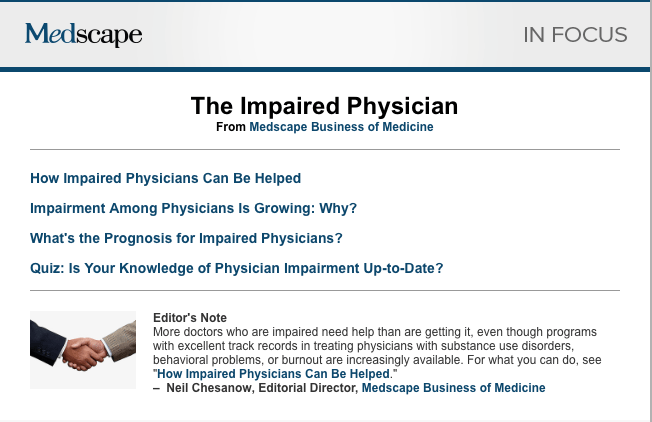
How Impaired Physicians Can be Helped–Medscape Business of Medicine Article Published February 24, 2015. Click on image to access


How can impaired Physicians be helped?

1.   Impairment among physicians is growing:  Why?  

Answer:  It is not.   State Physician Health Programs (PHPs) are “diagnosing” impairment when there is no impairment.  They are pathologizing the normal and expanding in scope to increase the grand scale of the hunt.

2.  What’s the Prognosis for Impaired Physicians?

Answer:  Not Good.   Those who need help (the truly impaired)  are afraid to get help for fear of being monitored by their state PHP while many of those ensnared by PHPs are not impaired.   There is absolutely no oversight, regulation or accountability.  This needs to be evaluated in the context of physician suicide.    The system is one of institutional injustice and abuse of power. 

3.  Is your knowledge of physician impairment up-to-date?  

Answer:   No.  This will only occur after an evidence-based Cochrane type review separates information from misinformation; An objective non-biased investigation by outside actors identifying any conflicts-of-interest, misconduct or lack of evidence-base in the current system and separating the art and science of the medical profession from the politicalization and exploitation of the medical profession.

The list of doctors on Like-Minded Docs  solves the final piece of a  puzzle. It explains why so many doctors across the country are claiming fabrication and manipulation of personality and cognitive tests to support nonexistent diagnoses at these “PHP-approved” assessment centers.    The relationship between the state PHP’s and the “PHP-approved” assessment centers is the same as it is between the state PHPs and the corrupt labs.

As Drs. John Knight and J. Wesley Boyd note in Ethical and Managerial Considerations Regarding State Physician Health Programs, published in the Journal of the American Society of Addiction Medicine,  this is what is known as “tailoring a diagnosis”–a euphemism for the political abuse of psychiatry.  According to the Global Initiative on Psychiatry “Political abuse of psychiatry refers to the misuse of psychiatric diagnosis, treatment and detention for the purposes of obstructing the fundamental human rights of certain individuals and groups in a given society.”   The shoe fits here.  In fact it fits very well.

Screen Shot 2015-01-09 at 1.59.40 AM

The Global Initiative on Psychiatry opposes the Political_Abuse_of_Psychiatry  wherever  it may occur and “supports those psychiatrists and psychiatric organizations that pressure the offending states to discontinue the practice and lobby vigorously those organizations which are wavering. The main way for individuals and organizations to work is through diplomatic channels. It is necessary to expose the practice and to embarrass countries that are at fault by expelling them from organizations such as the World Psychiatric Association. This can only be ensured by properly organized open investigation of psychiatric practice and interviews with the alleged victims”

Political abuse of psychiatry in the profession of medicine needs to be treated in the same way.

An evidence based Cochrane type assessment of their “research” and an Institute of Medicine Conflict of Interest review are long overdue.

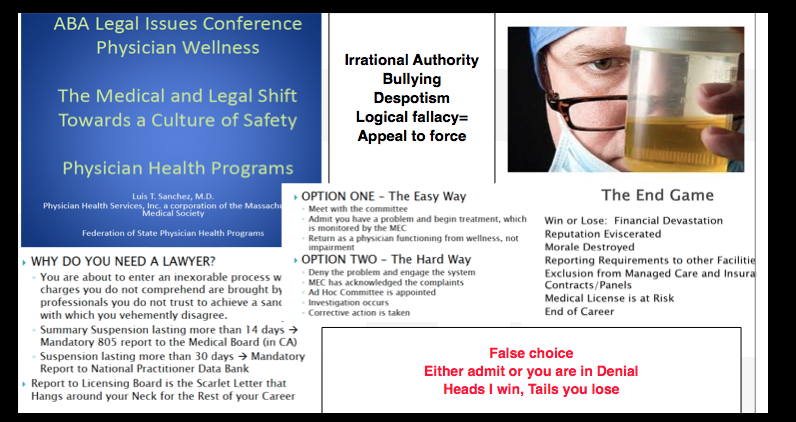
In evaluating a physician for “impairment” or being “disruptive” the Physician Health Programs (PHPs)  under the Federation of State Physician Health Programs (FSPHP)  are not gathering data to form a hypothesis.  They are making data fit a hypothesis that arrived at the out-of-state “PHP-approved” assessment center well before the alleged miscreant doctor.

With guilt assumed from the start, no due process, no appeal, and no way out physicians are being bullied, demoralized, and dehumanized  to the point of hopelessness, helplessness and despair.

This needs to end now.

Medicine is predicated on competence, good-faith, and integrity. 

Medical ethics necessitates beneficence, respect, and autonomy. 

The scaffold erected here is designed for coercion and control. 

Exposure, transparency, and accountability are urgent. 

The emperor has no clothes.

Sunshine is the best disinfectant.

https://artbylisabelle.wordpress.com/2015/03/01/three-shells-and-a-pea-asam-fsphp-and-lmd/

Edit (in 5 minutes)

The Elephant in the Room: Physician Suicide and Physician Health Programs

IMG_1009

Physician Suicide and the Elephant in the Room

Michael Langan, M.D.

Although no reliable statistics exist, anecdotal reports suggest an alarming upsurge in physician suicide. This necessitates a reappraisal of known predisposing risk factors such as substance abuse and depression but also requires a critical examination of what external forces or vulnerabilities might be unique to doctors and how they might be involved in the descent from suicidal ideation to suicidal planning to completed suicide.

Depression and Substance Abuse Comparable to General Population

Depression and substance abuse are the two biggest risk factors for suicide. The prevalence of depression in physicians is close to that of the general population 1,2 and, if one looks critically at the evidence based literature, substance abuse in medical professionals approximates that of the general population.  Controlled studies using DSM diagnostic criteria suggest that physicians have the same rates (8-14%) of substance abuse and dependence as the rest of the population 3 and slightly lower rates compared to other occupations.4,5 Epidemiological surveys reveal the same. Hughes, et al.6 found a lifetime prevalence of drug or alcohol abuse or dependence in physicians of 7.9%, markedly less than the 14.6% prevalence reported in the general population by Kessler.7

State Physician Health Programs

Perhaps it is how physicians are treated differently when they develop a substance abuse or mental health problem.

Physician Health Programs (PHP) can be considered an equivalent to Employee Assistance Programs (EAPs) for other occupations. PHPs meet with, assess and monitor doctors who have been referred to them for substance use or other mental or behavioral health problems. Originally developed as “impaired physician” programs, the PHPs were created to help doctors who developed problems with substance abuse or addiction an alternative to disciplinary action by State Medical Boards. These programs existed in almost every state by 1980. Often staffed by volunteer physicians and funded State Medical Societies, these programs served the dual purpose of helping sick colleagues and protecting the public. Preferring rehabilitation to probation or license revocation so long as the public was protected from imminent danger, most medical boards accepted the concept with support and referrals. Most EAPs were developed with the collaboration of workers unions or some other group supporting the rights and interests of the workers.  As there is no such organization representing doctors, PHPs developed in the absence of regulation or oversight.    As a consequence there is no meaningful accountability.   

In Ethical and Managerial Considerations Regarding State Physician Health Programs published in the Journal of Addiction Medicine in 2012, John Knight, M.D. and J. Wesley Boyd, M.D., PhD who collectively have more than 20 years experience with the Massachusetts PHP state that:

“Because PHP practices are unknown to most physicians before becoming a client of the PHP, many PHPs operate out- side the scrutiny of the medical community at large. Physicians referred to PHPs are often compromised to some degree, have very little power, and are, therefore, not in a position to voice what might be legitimate objections to a PHP’s practices.”8

Noting that “for most physicians, participation in a PHP evaluation is coercive, and once a PHP recommends monitoring, physicians have little choice but to cooperate with any and all recommendations if they wish to continue practicing medicine,” Knight and Boyd raise serious ethical and managerial questions about current PHP policies and practice including conflicts of interest in referrals for evaluation and treatment, lack of adherence to standards of care for forensic testing of substances of abuse, violations of ethical guidelines in PHP research, and conflicts of interest with state licensing boards.

Knight and Boyd recommend “that the broader medical community begin to reassess PHP’s as a whole” and that “consideration be given toward the implementation of independent ethical oversight and establish and appeals process for PHP clients who feel they are being treated unfairly.” 8 They also recommend the relationship of PHP’s between the evaluation and treatment centers and licensing boards be transparent and that national organizations review PHP practices and recommend national standards “that can be debated by all physicians, not just those who work within PHPs.”8 Unfortunately this has not happened. Most physicians have no idea that the state physician health programs have been taken over by the “impaired physicians movement.”

In his Psychology Today blog,  Boyd again recommends oversight and regulation of PHPs.   He cites the North Carolina Physicians Health Program Audit released in April of 2014 that reported the below key findings:

Screen Shot 2015-02-25 at 11.52.29 PM

As with Knight and Boyd’s paper outlining the ethical and managerial problems in PHPs, the NC PHP audit finding that abuse could occur and not be detected generated little interest from either the medical community or the media.

Although state PHPs present themselves as confidential caring programs of benevolence they are essentially monitoring programs for physicians who can be referred to them for issues such as being behind on chart notes. If the PHP feels a doctor is in need of PHP “services” they must then abide by any and all demands of the PHP or be reported to their medical board under threat of loss of licensure.

State PHP programs require strict adherence to 12-step doctrine9 yet many of the physicians monitored by them are neither addicts nor alcoholics. Some do not even have substance abuse issues and there are reports of “disruptive” physicians being diagnosed with “character defects” at the “PHP-approved” facilities that do these assessments.   PHPs require abstinence from drugs and alcohol yet use  non-FDA approved Laboratory Developed Tests in their monitoring programs. Many of these tests were introduced to commercial labs and promoted by ASAM/FSPHP physicians.10-12

LDTs bypass the FDA approval process and have no meaningful regulatory oversight.   The LDT pathway was not designed for “forensic” tests but clinical tests with low risk.   Some are arguing for regulation and oversight of LDTs due to questionable validity and risk of patient harm.13

These same physicians are claiming a high success rate for PH programs9 and suggesting that they be used for random testing of all physicians.14

As with LDTs, the state PHPs are unregulated, and without oversight. State medical societies and departments of health have no control over state PHPs.

Their opacity is bolstered by peer-review immunity, HIPPA, HCQIA, and confidentiality agreements. The monitored physician is forced to abide by any and all demands of the PHP no matter how unreasonable-all under the coloration of medical utility and without any evidentiary standard or right to appeal.

The ASAM has a certification process for physicians and claim to be “addiction” specialists. This “board certification” is not recognized by the American Board of Medical Specialties and is not a recognized medical specialty. The goal of the ASAM is to be recognized as the experts in addiction medicine with the consensus expert opinion based on the 12-step prohibitionist brain disease model. The ASAM has aligned itself with a number of inpatient drug treatment centers  (Hazelden, Talbott, Marworth, Bradford,etc) and are heavily funded by the drug testing industry.   It is in fact a “rigged game.”

State PHPs are non-profit non-governmental organizations and have been granted quasi-governmental immunity by most State legislatures from legal liability.

By infiltrating “impaired physician” programs they have established themselves in almost every state by joining, gaining power, and removing dissenters. Groupthink and 12-step indoctrination are the goals. By advertising as advocates for doctors who are “caring,” “confidential resources,” “giving help,” and advocating for “colleagues in need” the outward appearance is one of benevolence.

The biggest obstacle is that this system allows them to throw the normal rules of conduct under the imperative of a higher goal assumed to trump all other consideration. Those outside of programs either defend or ignore the reports of ethical and criminal violations, complacent in their trust of these “experts” claiming they are just helping sick doctors and protecting the public.

With no oversight or regulatory body involved this is all done with impunity, immunity, and undercover. They use the accusation of substance abuse as an indication to disregard the claims of the accused. The physician is left without rights, depersonalized, and dehumanized. The imposition of confinement, stigmatization, lack of oversight of the organizations, peer-review protected confidentiality, and lack of procedural protection is a one-way train to hopelessness and despair.

By establishing a system that of coercion, control, secrecy, and misinformation, the FSPHP is claiming an “80% success rate” 15and deeming the “PHP-blueprint” as “the new paradigm in addiction medicine treatment.

The ASAM/FSPHP had a major influence on the DSM-V where drug abuse and dependence are no longer separate entities. They are also working behind the scenes to get legislation to randomly drug test all physicians.

They are now after the “disruptive physician” and the evidentiary criteria are fairly low and red flags include “deviating from workplace norm in dress or conduct” and being tardy for meetings.

They have identified “the aging physician” as a potential problem because “as the population of physicians ages,””cognitive functioning” becomes “a more common threat to the quality of medical care.”

The majority of physicians are unaware that the Federation of State Medical Boards House of Delegates adopted an updated Policy on Physician Impairment in 2011 that uses addiction as an example of a “potentially impairing illness.”  According to the Federation of State Physician Health Programs …”physician illness and impairment exist on a continuum with illness typically predating impairment, often by many years. This is a critically important distinction. Illness is the existence of a disease. Impairment is a functional classification and implies the inability of the person affected by disease to perform specific activities.”

“Process addiction” was added as a potentially impairing illness including compulsive gambling, compulsive spending, compulsive video gaming, and “workaholism.” According to the FSPHP “the presence of a process addiction can be problematic or even impairing in itself, and it can contribute to relapse of a physician in recovery. As such, process addictions should be identified and treated.” They define three levels of relapse including the novel “relapse without use.”

Screen Shot 2014-07-01 at 3.38.23 AM

Bullying, Helplessness, Hopelessness and Despair

Perceived helplessness is significantly associated with suicide.16 So too is hopelessness, and the feeling that no matter what you do there is simply no way out17,18 Bullying is known to be a predominant trigger for adolescent suicide19-21 One study found that adolescents in custody who were bullied were 9.22 times more likely to attempt suicide than those were not bullied.22

Heightened perceptions of defeat and entrapment are known to be powerful contributors to suicide.23,24 The “Cry of Pain” model 25,26 specifies that people are particularly prone to suicide when life experiences are interpreted as signaling defeat which is defined as a sense of “failed struggle” or loss of social position and resources.. The person is unable to identify an escape from or resolution to a defeating situation, a sense of entrapment proliferates with the perception of no way out, and this provides the central impetus for ending ones life.

There is also evidence that rescue factors such as social supports may play a role in preventing suicide. These rescue factors act buffers to protect against suicide in the face of varying degrees of life stress.27,28 The study of female physicians revealed meetings to discuss stressful work experiences as a potential protective factor, 29 and support at work when difficulties arose appeared to be a protective factor for the male physicians.30   Research involving Finnish physicians found that control over one’s work and organizational justice were the most important determinants of work-related wellbeing.31,32 Organizational justice is related to fairness and refers to an individuals perception of an organizations behaviors, decisions, and actions and how these influence one’s own attitudes and behaviors and has been identified as a psychosocial predictor of health and wellbeing33 34 Low organizational justice has been identified as a notable risk factor for psychological distress and depression.35,36

A recent report indicates that job stress, coupled with inadequate treatment for mental illness may play a role in physician suicide..

Using data from the National Violent Death Reporting System the investigators compared 203 physicians who had committed suicide to more than 31,000 non-physicians and found that having a known mental health disorder or a job problem that contributed to the suicide significantly predicted being a physician.1

Physicians were 3.12 times more likely to have a job problem as a contributing factor. In addition, toxicology testing showed low rates of medication treatment.  The authors concluded that inadequate treatment and increased problems related to job stress are potentially modifiable risk factors to reduce suicidal death among physicians.

They also warned that the database used likely underestimated physician suicides because of “underreporting and even deliberate miscoding because of the stigma attached.”

I can think of nothing more institutionally unjust than an unregulated zero-tolerance monitoring program with no oversight using unregulated drug and alcohol testing of unknown validity.

We have heard of numerous suicides due to these institutionally unjust programs.   Three doctors died by suicide in Oklahoma in a one month period alone (August 2014).   All three were being monitored by the Oklahoma PHP.   I went to an all boys high-school of less than 350 students yet a classmate a couple years ahead of me died by suicide a few months ago. He was being monitored by the Washington PHP. His crime?  A DUI in 2009–a one-off situational mistake that in all likelihood would never have recurred.  But as is often the case with those ensnared by state PHPs he was forced to have a “re-assessment” as his five-year monitoring contract was coming to an end.  These re-assessments are often precipitated by a positive Laboratory Developed Test (LDT) and state medical boards mandate these assessments can only be done at an out-of-state “PHP-approved” facility.    Told he could no longer operate and was unsafe to practice medicine by the PHP and assessment center he then hanged himself.  And at the conclusion of Dr. Pamela Wible’s haunting video below are listed just the known suicides of  doctors; many were being monitored by their state PHPs–including the first name on the list– Dr. Gregory Miday.

None of these deaths were investigated. None were covered in the mainstream media.   These are red flags that need to be acknowledged and addressed!    This anecdotal evidence suggests the oft-used estimate of 400 suicides per year (an entire medical school class) is a vast underestimation of reality—extrapolating just the five deaths above to the entire population of US doctors suggests we are losing at least an entire medical school per year.

As physicians we need to demand transparency, oversight, regulation and auditing by outside groups. This is a public health emergency.

To wit:

They first came after the substance abusers and I did not speak out because I was not a substance abuser.

They then came for those with psychiatric diagnoses and I did not speak out because I was not diagnosed with a psychiatric disorder.

They then came after the “disruptive physician” and I did not speak out because I was not disruptive.

They then came after the aging physician and I did not speak out because I was young.

They then came after me and there was no one else to speak out for me.

http://youtu.be/gaiURPtWE7I

  1. Ford DE, Mead LA, Chang PP, Cooper-Patrick L, Wang NY, Klag MJ. Depression is a risk factor for coronary artery disease in men: the precursors study. Archives of internal medicine. Jul 13 1998;158(13):1422-1426.
  2. Frank E, Dingle AD. Self-reported depression and suicide attempts among U.S. women physicians. The American journal of psychiatry. Dec 1999;156(12):1887-1894.
  3. Brewster JM. Prevalence of alcohol and other drug problems among physicians. JAMA : the journal of the American Medical Association. Apr 11 1986;255(14):1913-1920.
  4. Anthony J, Eaton W, Mandell W, al. e. Psychoactive Drug Dependence and abuse: More Common in Some Occupations than in Others? Journal of Employee Assistance Res. 1992;1:148-186.
  5. Stinson F, DeBakely S, Steffens R. Prevalence of DSM-III-R Alcohol abuse and/or dependence among selected occupations. Alchohol Health Research World. 1992;16:165-172.
  6. Hughes PH, Brandenburg N, Baldwin DC, Jr., et al. Prevalence of substance use among US physicians. JAMA : the journal of the American Medical Association. May 6 1992;267(17):2333-2339.
  7. Kessler RC, Berglund P, Demler O, Jin R, Merikangas KR, Walters EE. Lifetime prevalence and age-of-onset distributions of DSM-IV disorders in the National Comorbidity Survey Replication. Archives of general psychiatry. Jun 2005;62(6):593-602.
  8. Boyd JW, Knight JR. Ethical and managerial considerations regarding state physician health programs. Journal of addiction medicine. Dec 2012;6(4):243-246.

  9. DuPont RL, McLellan AT, White WL, Merlo LJ, Gold MS. Setting the standard for recovery: Physicians’ Health Programs. Journal of Medical Regulation. Mar 2010;95(4):10-25.
  10. Skipper GE, Weinmann W, Thierauf A, et al. Ethyl glucuronide: a biomarker to identify alcohol use by health professionals recovering from substance use disorders. Alcohol and alcoholism. Sep-Oct 2004;39(5):445-449.
  11. Skipper GE, Thon N, Dupont RL, Baxter L, Wurst FM. Phosphatidylethanol: the potential role in further evaluating low positive urinary ethyl glucuronide and ethyl sulfate results. Alcoholism, clinical and experimental research. Sep 2013;37(9):1582-1586.
  12. Skipper GE, Thon N, DuPont RL, Campbell MD, Weinmann W, Wurst FM. Cellular photo digital breathalyzer for monitoring alcohol use: a pilot study. European addiction research. 2014;20(3):137-142.
  13. Sharfstein J. FDA Regulation of Laboratory-Developed Diagnostic Tests: Protect the Public, Advance the Science. JAMA : the journal of the American Medical Association. Jan 5 2015.
  14. Pham JC, Pronovost PJ, Skipper GE. Identification of physician impairment. JAMA : the journal of the American Medical Association. May 22 2013;309(20):2101-2102.
  15. McLellan AT, Skipper GS, Campbell M, DuPont RL. Five year outcomes in a cohort study of physicians treated for substance use disorders in the United States. Bmj. 2008;337:a2038.
  16. Rivers I, Noret N. Potential suicide ideation and its association with observing bullying at school. The Journal of adolescent health : official publication of the Society for Adolescent Medicine. Jul 2013;53(1 Suppl):S32-36.
  17. Lester D, Walker RL. Hopelessness, helplessness, and haplessness as predictors of suicidal ideation. Omega. 2007;55(4):321-324.
  18. Beck AT. Hopelessness as a predictor of eventual suicide. Annals of the New York Academy of Sciences. 1986;487:90-96.
  19. Hinduja S, Patchin JW. Bullying, cyberbullying, and suicide. Archives of suicide research : official journal of the International Academy for Suicide Research. 2010;14(3):206-221.
  20. Hertz MF, Donato I, Wright J. Bullying and suicide: a public health approach. The Journal of adolescent health : official publication of the Society for Adolescent Medicine. Jul 2013;53(1 Suppl):S1-3.
  21. Kim YS, Leventhal B. Bullying and suicide. A review. International journal of adolescent medicine and health. Apr-Jun 2008;20(2):133-154.
  22. Kiriakidis SP. Bullying and suicide attempts among adolescents kept in custody. Crisis. 2008;29(4):216-218.
  23. Taylor PJ, Gooding P, Wood AM, Tarrier N. The role of defeat and entrapment in depression, anxiety, and suicide. Psychological bulletin. May 2011;137(3):391-420.
  24. Lester D. Defeat and entrapment as predictors of depression and suicidal ideation versus hopelessness and helplessness. Psychological reports. Oct 2012;111(2):498-501.
  25. Williams JMG. Cry of Pain. Harmondsworth: Penguin; 1997.
  26. Williams JMG, Crane C, Barnhofer T, Duggan DS. Psychology and suicidal behavior: elaborating the entrapment model. In: Hawton K, ed. Prevention and treatment of suicidal behavior: from science to practice. Oxford: Oxford University Press; 2005:71-89.
  27. Borowsky IW, Ireland M, Resnick MD. Adolescent suicide attempts: Risks and protectors. Pediatrics. 2001;107(485).
  28. Clum GA, Febbraro GAR. Stress, social support and problem-solving appraisal/skill: Prediction of suicide severity within a college sample. Journal of Psychopathology and Behavioral Assessment. 1994;16:37-46.
  29. Fridner A, Belkic K, Marini M, Minucci D, Pavan L, Schenck-Gustafsson K. Survey on recent suicidal ideation among female university hospital physicians in Sweden and Italy (the HOUPE study): cross-sectional associations with work stressors. Gender medicine. Apr 2009;6(1):314-328.
  30. Fridner A, Belkic K, Minucci D, et al. Work environment and recent suicidal thoughts among male university hospital physicians in Sweden and Italy: the health and organization among university hospital physicians in Europe (HOUPE) study. Gender medicine. Aug 2011;8(4):269-279.
  31. Lindfors PM, Meretoja OA, Toyry SM, Luukkonen RA, Elovainio MJ, Leino TJ. Job satisfaction, work ability and life satisfaction among Finnish anaesthesiologists. Acta anaesthesiologica Scandinavica. Aug 2007;51(7):815-822.
  32. Heponiemi T, Kuusio H, Sinervo T, Elovainio M. Job attitudes and well-being among public vs. private physicians: organizational justice and job control as mediators. European journal of public health. Aug 2011;21(4):520-525.
  33. Elovainio M, Kivimaki M, Vahtera J. Organizational justice: evidence of a new psychosocial predictor of health. Am J Public Health. Jan 2002;92(1):105-108.
  34. Lawson KJ, Noblet AJ, Rodwell JJ. Promoting employee wellbeing: the relevance of work characteristics and organizational justice. Health promotion international. Sep 2009;24(3):223-233.
  35. Hayashi T, Odagiri Y, Ohya Y, Tanaka K, Shimomitsu T. Organizational justice, willingness to work, and psychological distress: results from a private Japanese company. Journal of occupational and environmental medicine / American College of Occupational and Environmental Medicine. Feb 2011;53(2):174-181.
  36. Lang J, Bliese PD, Lang JW, Adler AB. Work gets unfair for the depressed: cross-lagged relations between organizational justice perceptions and depressive symptoms. The Journal of applied psychology. May 2011;96(3):602-618.

Screen Shot 2014-12-02 at 3.17.56 AM


Junk-Science in the Medical Profession: The Resurgence of Polygraph “Lie-Detection” in an age of Evidence-Based Medicine

mllangan1's avatarDisrupted Physician

33755_1527129670651_5081648_n Circa 1995

The article below was published in the now defunct magazine Gray Areas almost twenty years ago. (Vol. 4, No. 1, Spring 1995 pp. 75-77).   Antipolygraph.og founder George Maschke noted in 2008 that article “makes a good introduction to the pseudoscience of polygraphy” and “the criticisms of polygraphy remain valid today.”  They remain valid in 2014.

images-3

The Art of Deception: Polygraph Lie Detection

By Michael Lawrence Langan, M.D.

I’d swear to it on my very soul, If I lie, may I fall down cold.”

– Rubin and Cherise
(Hunter/Garcia)

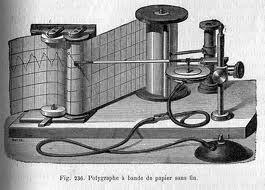
The accuracy of polygraphic lie detection is slightly above chance. Nevertheless, State and local police departments and law enforcement agencies across the United States are devoted proponents of this unscientific and specious device. In addition, the American public seems to lend an implicit credence to the “lie detector” as evinced by its ubiquitous use on television crime shows and…

View original post 2,617 more words

Need Signatures: Please Sign Petition and Call (617-727-6200) MA State Auditor Suzanne Bump to Demand Audit of Corrupt Physician Health Services and the MA BORM Physician Health and Compliance Unit

IMG_8564

The Petition can be found here.  Or better yet, sign the petition and call her at 617-727-6200.   The evidence that Physician Health Services, Inc. (PHS) is committing crimes has been free-floating for the past two years.   It has been posted on Reddit, Twitter, Facebook, Linkedin, blogged, faxed, and phoned.  The response?  Absolute silence.

The procedural, ethical and criminal violations are clear and many.     The incontrovertible evidence has been directly delivered to individuals who can and should address this but for some reason do not.  This is not a matter of opinion folks but a matter of fact.    Time and time again we hear of  egregious misconduct hidden for decades because of  cognitive dissonance and blinkered apathy.

What evidentiary standard is required for action?   Over the past three years and under a lot of duress I have obtained indefensible documentary prima facie  proof of  crimes committed by individuals that should elicit immediate action but produced nothing but silence.

The crimes are many and they are of significance.  Accountability necessitates both the provision of information and justification for one’s actions.   This group has effectively blocked both of these. With much effort and under threat I have obtained proof of criminal activity with the expectation that the provision of this information would  result in those who should and could do something about it would.   They have not.

The documentary evidence of crimes is self-evident.  It is indefensible.    It is inexcusable that criminal activity is taking place within the walls of the Massachusetts Medical Society.   The fact that PHS is unregulated and without any meaningful accountability is irrelevant.  They are engaging in criminal activity within the walls of an institution whose very foundation is the antithesis of this groups actions and it must be addressed. Either support what the documents show or do something about it.

So please sign this petition and call  Massachusetts State Auditor Suzanne Bump at 617-727-6200

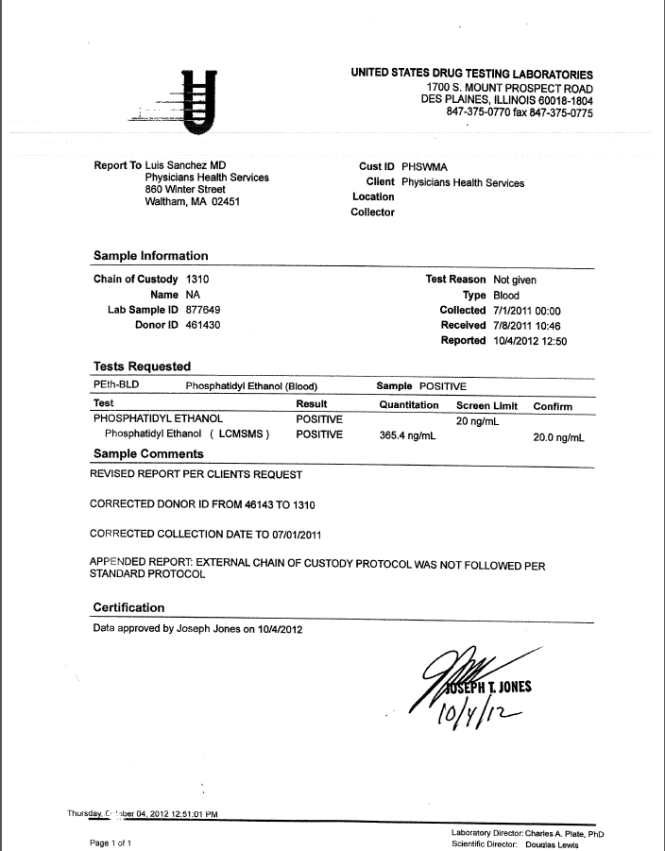
Institutional injustice just like that being committed by Luis Sanchez, Linda Bresnahan and the corrupt MRO Wayne Gavryck is killing doctors across the country.  They need to be held accountable.  Help me hold them accountable.

You do not need to be from Massachusetts to sign this petition. It is to raise public awareness–hopefully enough to elicit more exposure of this problem to prompt audits not only in Massachusetts but in other states as was recently done in North Carolina. The N.C. state auditor conducted an investigation and found poor oversight of the state PHP by both the state Medical Society and the state Medical Board, a lack of due process for physician’s who disputed the PHP’s evaluations and requirements, and multiple instances of potential conflicts-of-interest.

Dr. J. Wesley Boyd, who was previously an Associate Director at Physician Health Services, inc., the Massachusetts PHP is recommending that state government agencies audit their PHPs and his own state won’t even do it!  This is despite clear evidence that the Massachusetts PHP, Physician Health Services, Inc. is engaging in forensic fraud, ethical misconduct, HIPAA violations and crimes that Deb Stoller of the Massachusetts Board of Registration in Medicine Physician Health and Compliance Unit has been aware of and is most likely complicit in.   The Massachusetts State Auditor, Suzanne Bump, has refused to conduct an investigation.  Why is this?  I’d like to know why?

As Boyd states in his  Psychology Today blog:

“After a group of North Carolina physicians complained about their state PHP to the state auditor, the auditor conducted an investigation (link is external)and found poor oversight of the PHP by both the state medical society and the board of medicine, a lack of due process for physicians who disputed the PHP’s evaluations and/or recommendations, and multiple instances of potential conflicts of interest. 

The national federation of PHPs ought to implement national standards for its members and commence routine audits of its members.  Other state governmental agencies ought to audit their PHPs as well, to ensure that their vast power is wielded judiciously and with oversight.”

The Massachusetts PHP is much worse.     The Massachusetts PHP is engaging in unconscionable conduct including forensic fraud and self-evident criminal activity that is indefensible from within the walls of the Massachusetts Medical Society. Most are not aware of this. They need to be. This rigged game is a national problem and how the racket works in Massachusetts can be seen here.

Please help me expose this and put a stop to it!   Please Sign Petition and Call (617-727-6200) MA State Auditor Suzanne Bump to Demand Audit of Corrupt Physician Health Services and the MA BORM Physician Health and Compliance Unit.

The corruption is undeniable and the actions are indefensible, unethical and unconscionable. Please help me shine a light on these criminals.   Corruption needs to be acknowledged and investigated. Ignoring it and hoping it might go away seldom works.

The Massachusetts Auditor should either be able to defend the actions of PHS and the BORM Physician Health and Compliance Unit or investigate.  It is as simple as that.


http://chaoticpharmacology.com/2015/01/23/physician-health-services-inc-phs-a-tale-of-corruption-crimes-and-unethical-behavior/

Go back

Your message has been sent

Warning
Warning
Warning
Warning

Warning.